

Blog
What Is the Purpose of Freemasonry Today?

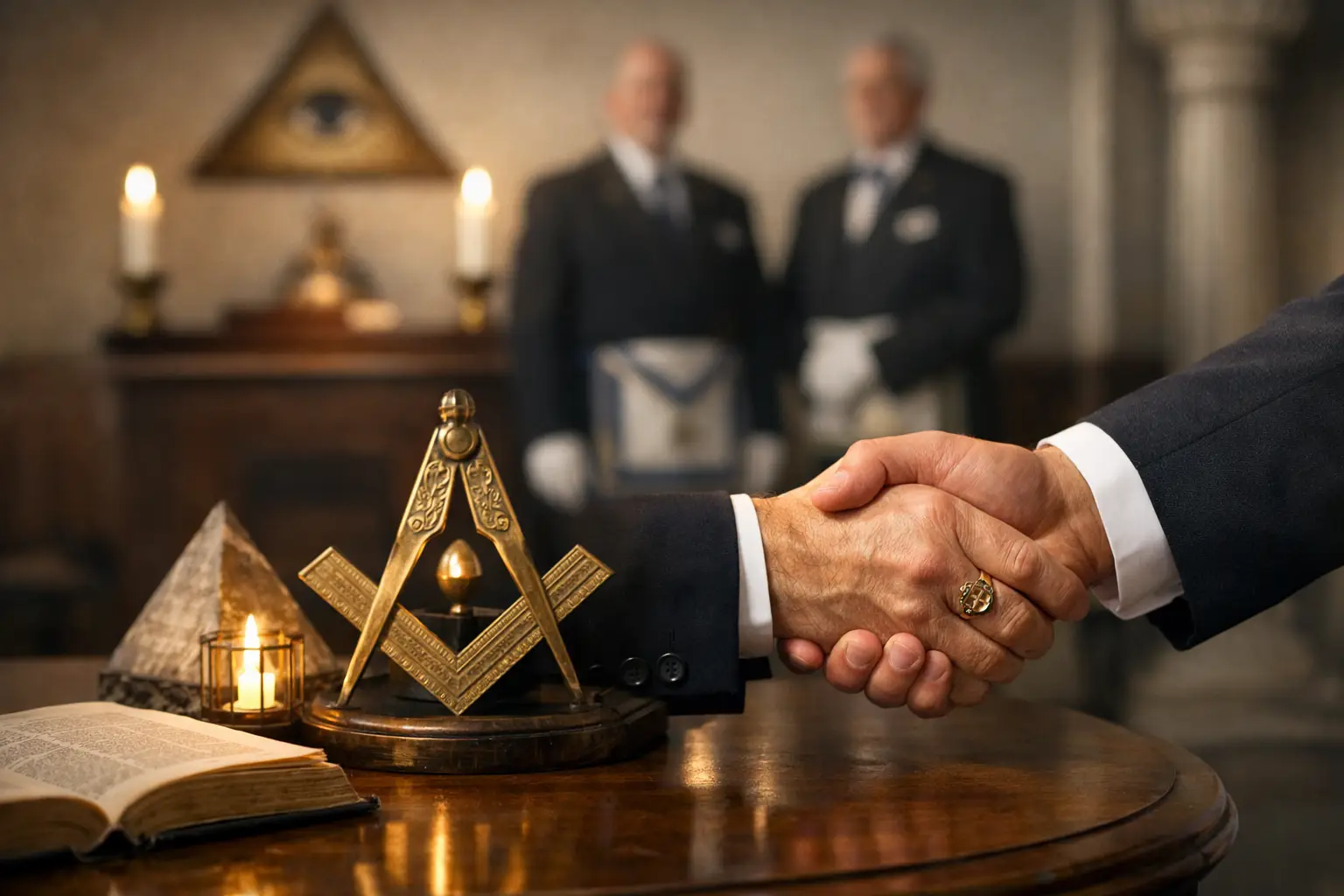
A visitor to a Masonic hall may see historic symbols, formal regalia, and traditions that have endured for centuries. Yet the question beneath those outward features is a practical one: what is the purpose of Freemasonry? At its heart, Freemasonry exists to help good men become better men, build lasting friendships, serve their communities, and live by clear moral principles.
It is one of the oldest secular social and charitable organizations in the world, but its purpose is not confined to history. Freemasonry offers a place where men from different professions, backgrounds, and generations can meet as equals, reflect on their responsibilities, and take positive action in the world around them.
What Is the Purpose of Freemasonry?
Freemasonry encourages personal growth through shared values, structured fellowship, charitable service, and ceremonial tradition. Its central principles are Integrity, Friendship, Respect, and Service. These are not intended as abstract ideals to admire from a distance. Members are encouraged to practice them at home, at work, in their neighborhoods, and in their wider civic lives.
A Lodge is therefore more than a social club, although friendship is an essential part of Masonic life. It is a community in which members support one another, learn together, and take seriously the idea that character is formed through everyday choices. A Mason may find encouragement to be more dependable, more thoughtful, more charitable, or more engaged in the life of his community.
The experience is different for every member. One man may be drawn first by the opportunity to meet people outside his usual circle. Another may value the history, symbolism, and continuity of a tradition with roots reaching back more than 300 years. A third may be motivated by charitable work. Freemasonry makes room for each of these motivations while asking members to share a commitment to its values.
A Framework for Personal Character
Freemasonry does not claim to provide a shortcut to self-improvement. Its approach is more deliberate. Through its ceremonies, teachings, and shared practices, it invites members to consider how they conduct themselves and what they owe to others.
Masonic symbolism often draws on the tools of traditional stonemasons. These tools are used as reminders that a person can continually work on his own character, just as a builder shapes stone for a lasting structure. The message is straightforward: integrity takes effort, self-discipline matters, and a life of purpose is built over time.
This is why Masonic ceremonies remain important. They are not performances for public display, nor are they designed to exclude or mystify. They provide a memorable setting for moral lessons about honesty, responsibility, equality, and compassion. Some parts of Masonic ceremony are private to members, but Freemasonry’s purpose, values, and charitable work are not secrets.
The rituals can feel formal, particularly to someone encountering them for the first time. That formality is part of their value. In a culture that often moves quickly, a Lodge meeting creates time to listen, reflect, and treat commitments with care. For many members, this regular rhythm becomes a welcome counterbalance to the pressures of work and family life.
Friendship Across Differences
Freemasonry brings together men who might not otherwise meet. A Lodge may include teachers, engineers, small-business owners, veterans, tradespeople, retirees, and students. Titles and professions matter less inside the Lodge than the willingness to treat one another with courtesy and respect.
That equality is central to the purpose of Freemasonry. Members are encouraged to look beyond status, wealth, political identity, or personal advantage. Lodges do not debate politics or religion, because their purpose is to create common ground rather than deepen divisions. Members may hold different views, but they meet in a spirit of mutual respect.
The friendships formed in Freemasonry are often strengthened outside formal meetings. Members share meals, attend events, support one another through difficult times, and introduce their families to a wider community. For men who have moved to a new area, retired, lost touch with old friends, or simply want more meaningful social connection, that sense of belonging can be especially valuable.
Friendship alone is not the whole purpose, however. Freemasonry asks its members to make friendship active. It means checking in on a fellow member, offering practical help, celebrating another person’s success, and showing up when someone needs support.
Service That Reaches Beyond the Lodge
Charity is a defining part of Masonic life. Lodges and Masonic organizations raise funds, volunteer time, and provide support for local and national causes. The focus may include health care, education, disaster relief, youth programs, military families, community organizations, and assistance for people facing hardship.
The purpose is not to gain recognition. Masonic service is rooted in the belief that people have a responsibility to help others where they can. Sometimes that means a major charitable initiative. Just as often, it means a local Lodge responding to a need in its own town: supporting a food pantry, collecting supplies, helping a neighbor, or contributing to a community project.
This local connection matters. Freemasonry is organized through Lodges, and Lodges are part of real communities. Members see the needs around them and can act together in ways that one person may struggle to achieve alone. Service also gives practical expression to the values discussed in meetings. Respect becomes care for others. Integrity becomes keeping a promise to help. Friendship becomes a willingness to stand alongside people beyond the Lodge.
Heritage With a Living Purpose
Modern Freemasonry is shaped by a long history, including the 1723 Constitutions, an important early statement of Masonic principles and organization. That heritage gives members a connection to generations who have sought fellowship, moral improvement, and charitable purpose through the Craft.
But tradition is not valuable merely because it is old. Its value depends on whether it still helps people live well. The enduring appeal of Freemasonry lies in its ability to connect inherited customs with present needs: the need for trustworthy friendships, principled conduct, respectful conversation, and practical community service.
Freemasonry is not a religion, and it does not seek to replace anyone’s faith. Nor is it a political movement or a business networking scheme. Members are expected to respect the law, honor their obligations, and bring their own moral and spiritual convictions to their lives. In many Masonic jurisdictions, including those under the United Grand Lodge of England, membership requires a belief in a Supreme Being, while no particular religion is prescribed.
Practices and membership requirements can vary between jurisdictions, especially for readers in the United States. Anyone considering membership should seek information from the recognized Grand Lodge or local Lodge in their area. The essential purpose remains consistent: to bring people together around ethical living, fellowship, and service.
What Members Are Really Joining
A man does not join Freemasonry because he has already perfected himself. He joins alongside others who recognize that character, friendship, and service deserve regular attention. He may learn the traditions, take part in ceremonies, contribute to charity, and gradually accept responsibilities within his Lodge. Over time, he becomes not only a participant but also someone who helps sustain the experience for others.
That shared responsibility is one reason Freemasonry has endured. Its purpose is lived in ordinary acts: arriving prepared for a meeting, welcoming a new member, listening respectfully, giving time to a cause, and carrying Masonic values into daily life.
For anyone asking whether Freemasonry is relevant now, the most useful question may be personal: where could greater integrity, stronger friendship, deeper respect, and more meaningful service make a difference in your own life and community?