

Blog
Are Freemasons a Religion? A Clear Answer

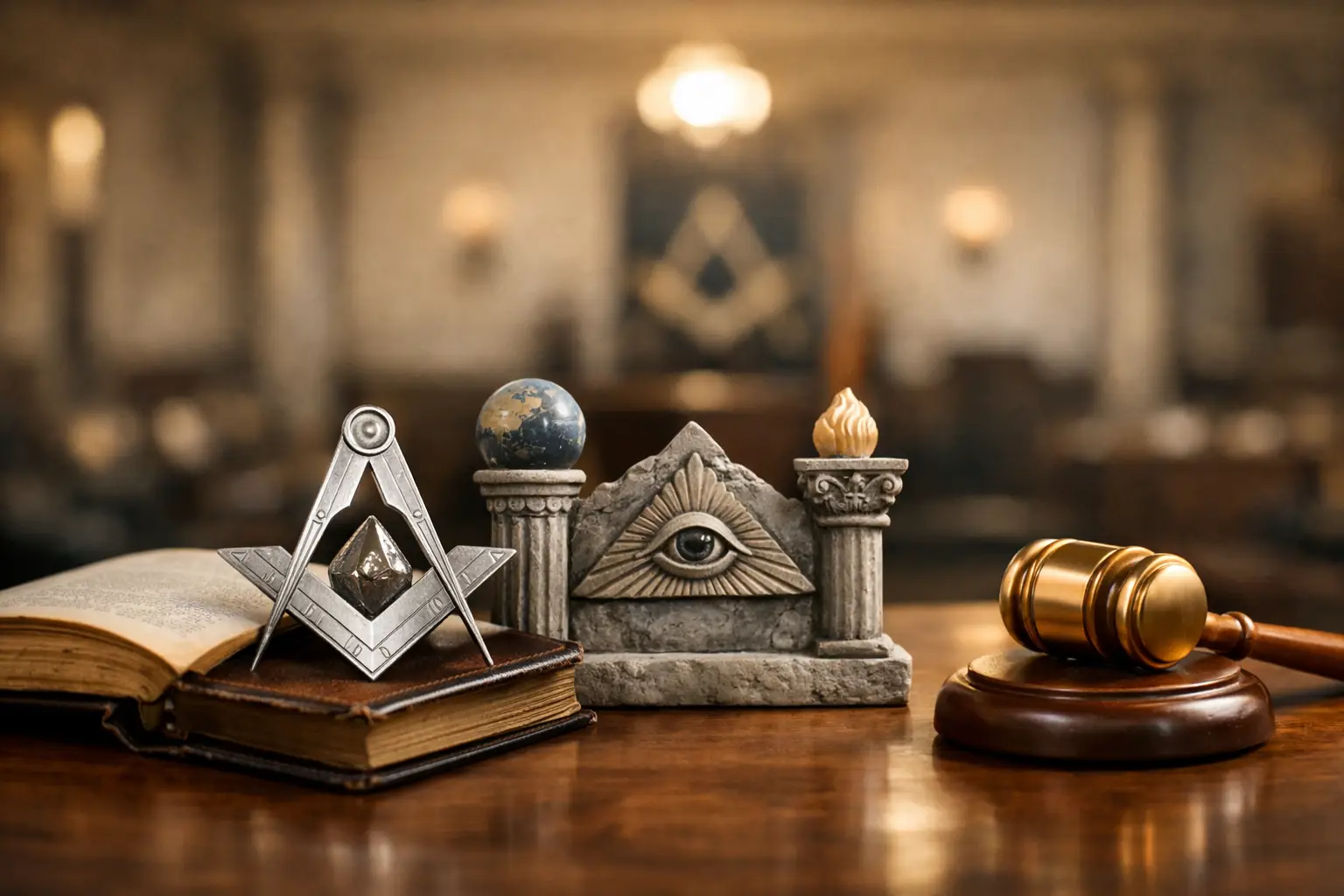
A person visiting a Masonic hall may see ceremonial dress, hear a prayer, and notice references to the Supreme Being. It is understandable, then, to ask: are Freemasons a religion? The clear answer is no. Freemasonry is a secular social and charitable organization that encourages members to live by strong moral principles, but it does not offer a system of worship, a path to salvation, or a substitute for anyone’s faith.
For more than 300 years, Freemasonry has brought together men from many religious backgrounds around shared ideals: Integrity, Friendship, Respect, and Service. Its traditions use ceremony and symbolism to encourage reflection on character and responsibility. Those traditions can feel unfamiliar to newcomers, but they serve a very different purpose from religious observance.
Are Freemasons a Religion or a Fraternal Organization?
Freemasonry is a fraternal organization. Its members meet in local groups known as Lodges, where they take part in formal meetings, charitable initiatives, educational talks, and social events. They also share a commitment to becoming better friends, family members, neighbors, and citizens.
Religion generally involves beliefs about the nature of God, teachings about salvation or spiritual truth, a clergy, forms of worship, and sacred duties for adherents. Freemasonry does not establish doctrine on these questions. It does not tell a member what to believe about God, which scriptures to follow, how to worship, or what happens after death.
Instead, it asks members to bring their own sincere belief in a Supreme Being. This long-standing requirement reflects the view that moral commitments have greater meaning when they rest on a member’s personal conscience and faith. Freemasonry does not define that Supreme Being for him. A Christian, Jew, Muslim, Sikh, Hindu, or man of another faith can each understand the term according to his own religious tradition.
That distinction matters. A Lodge is not a church, synagogue, mosque, or temple. It has no clergy, no sacraments, and no religious conversion process. A Mason remains accountable to his own faith community and its teachings.
Why Does Freemasonry Refer to God?
Freemasonry’s ceremonies and language developed in a historical setting where belief in God was widely understood as the foundation of personal obligation. References to the Supreme Being remind members that promises should be made seriously and that ethical conduct should extend beyond what is convenient or visible to others.
Masons may also open or close a meeting with prayer. This is an expression of reverence, gratitude, and humility, not a service of worship or a statement of one religion’s theology. The wording is intended to be respectful of the different faiths represented in the room.
The Volume of Sacred Law also has an honored place in a Lodge. For many Lodges, the Bible is displayed because of the historical and cultural context in which modern Freemasonry developed. Where appropriate, a member may use the sacred text of his own faith. The principle is not that Freemasonry creates a new scripture. It is that a man’s obligations should be meaningful within the religious framework he already follows.
For someone whose faith does not permit participation in groups that use prayer or religious language outside formal worship, this may be a genuine consideration. Joining any organization should be an informed decision, and prospective members should feel comfortable asking a local Lodge how its customs are practiced. Respect for conscience is central to the Masonic approach.
What Freemasonry Does and Does Not Teach
Freemasonry teaches ethical lessons through allegory, symbols, and shared traditions. The working tools of the stonemason, for example, are used as reminders to act honestly, manage time wisely, and treat other people fairly. Masonic degrees mark stages of learning and invite members to reflect on duty, self-discipline, and service.
These lessons are moral rather than theological. Freemasonry encourages a man to be faithful to his commitments, generous in spirit, and dependable in his community. It does not claim authority over religious truth.
A useful way to understand the difference is this: a religion answers questions of faith and worship. Freemasonry encourages members to apply the values they have learned from faith, family, and conscience in everyday life. It offers fellowship and structure, not a competing creed.
Freemasonry also does not seek to blend religions into one belief system. Men of different faiths meet as equals while retaining their own convictions. In a Lodge meeting, discussion of religion and politics is traditionally avoided because these subjects can divide people whose purpose is to work together in harmony. This is not indifference to faith. It is a commitment to respecting each member’s right to his own beliefs.
Can Religious People Become Freemasons?
Yes. Many Freemasons are active members of churches, synagogues, mosques, temples, and other faith communities. For them, Freemasonry can complement their religious life by offering another setting in which to practice service, friendship, and personal responsibility.
A man may find that Lodge membership gives him practical opportunities to live out values already central to his faith: caring for people in need, honoring promises, mentoring others, supporting charitable causes, and treating people with dignity. Freemasonry does not ask him to set aside his religion to do so.
At the same time, membership is not right for everyone. Freemasonry requires a belief in a Supreme Being and therefore is not open to men who do not hold such a belief. Individual faith traditions and religious leaders may also take different views about fraternal organizations. A prospective member should consider his own convictions, speak with people he trusts, and ask direct questions before applying.
This clarity is healthier than trying to make Freemasonry fit every worldview. The organization has endured because it is honest about its principles while making room for people of many backgrounds to meet with mutual respect.
Why the Misunderstanding Has Lasted
The question “are Freemasons a religion?” has persisted partly because Freemasonry has ceremonial traditions that are private to its members. Historically, those traditions helped create a shared experience across Lodges and generations. Like many longstanding institutions, Freemasonry uses symbols, formal language, and rituals to communicate values that might otherwise be forgotten.
Privacy, however, is not the same as secrecy, and ceremony is not the same as worship. The fundamental purposes of Freemasonry are openly stated: to build character, strengthen friendships, serve communities, and support charitable work. The 1723 Constitutions, a foundational Masonic document, expressed a commitment to bringing together people of different beliefs through moral conduct and mutual respect.
Another source of confusion is that Masonic symbols are sometimes treated as mysterious or assigned meanings they do not have. The square and compasses, for instance, are widely recognized symbols of Freemasonry. They are not objects of worship. They are reminders that a Mason should act with fairness, restraint, and integrity.
Faith, Fellowship, and Service in Practice
The strongest evidence that Freemasonry is not a religion is found in the ordinary life of a Lodge. Members organize fundraisers, support local causes, visit fellow members, welcome new candidates, and spend time together over meals and events. They may come from different occupations, generations, and religious traditions, yet find common ground in practical service.
For many men, this combination is the appeal. Modern life can make sustained friendship and community involvement difficult. Freemasonry provides a regular place to meet people beyond one’s usual circle, contribute to worthwhile causes, and develop confidence through shared responsibility.
Its ceremonial side gives these commitments a sense of continuity. A new member is not simply joining a club for a season. He is entering a tradition that has encouraged men to think seriously about how they conduct themselves, care for others, and leave their communities stronger than they found them.
If you are considering Freemasonry, the most useful next step is not to rely on rumors or assumptions. Speak with a local Lodge, attend a public event if one is available, and ask how membership works in your area. A good conversation should leave you with clarity: Freemasonry can stand beside a man’s faith, but it never asks to stand in its place.
Are Freemasons a Religion? A Clear Answer
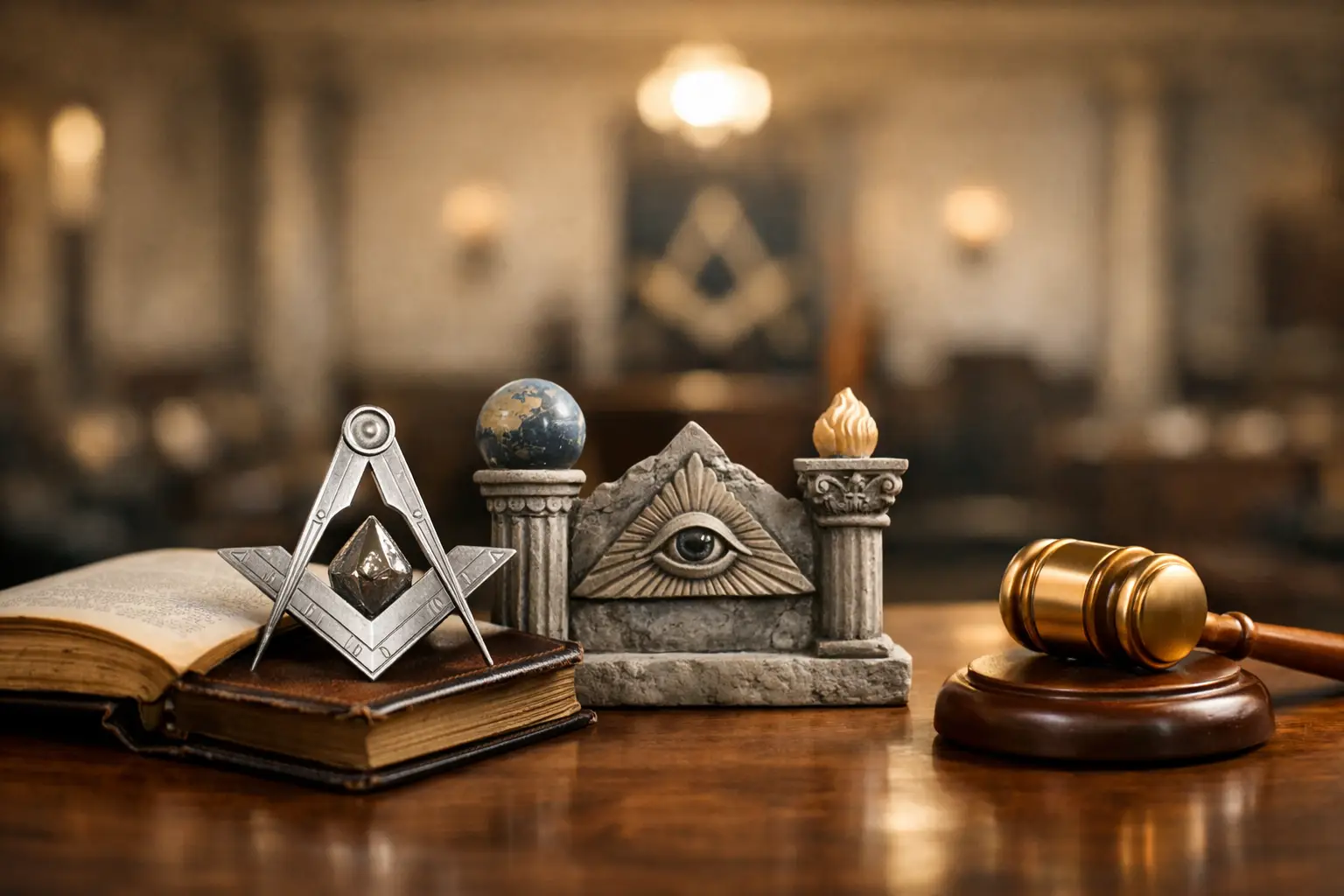
A person visiting a Masonic hall may see ceremonial dress, hear a prayer, and notice references to the Supreme Being. It is understandable, then, to ask: are Freemasons a religion? The clear answer is no. Freemasonry is a secular social and charitable organization that encourages members to live by strong moral principles, but it does not offer a system of worship, a path to salvation, or a substitute for anyone’s faith.
For more than 300 years, Freemasonry has brought together men from many religious backgrounds around shared ideals: Integrity, Friendship, Respect, and Service. Its traditions use ceremony and symbolism to encourage reflection on character and responsibility. Those traditions can feel unfamiliar to newcomers, but they serve a very different purpose from religious observance.
Are Freemasons a Religion or a Fraternal Organization?
Freemasonry is a fraternal organization. Its members meet in local groups known as Lodges, where they take part in formal meetings, charitable initiatives, educational talks, and social events. They also share a commitment to becoming better friends, family members, neighbors, and citizens.
Religion generally involves beliefs about the nature of God, teachings about salvation or spiritual truth, a clergy, forms of worship, and sacred duties for adherents. Freemasonry does not establish doctrine on these questions. It does not tell a member what to believe about God, which scriptures to follow, how to worship, or what happens after death.
Instead, it asks members to bring their own sincere belief in a Supreme Being. This long-standing requirement reflects the view that moral commitments have greater meaning when they rest on a member’s personal conscience and faith. Freemasonry does not define that Supreme Being for him. A Christian, Jew, Muslim, Sikh, Hindu, or man of another faith can each understand the term according to his own religious tradition.
That distinction matters. A Lodge is not a church, synagogue, mosque, or temple. It has no clergy, no sacraments, and no religious conversion process. A Mason remains accountable to his own faith community and its teachings.
Why Does Freemasonry Refer to God?
Freemasonry’s ceremonies and language developed in a historical setting where belief in God was widely understood as the foundation of personal obligation. References to the Supreme Being remind members that promises should be made seriously and that ethical conduct should extend beyond what is convenient or visible to others.
Masons may also open or close a meeting with prayer. This is an expression of reverence, gratitude, and humility, not a service of worship or a statement of one religion’s theology. The wording is intended to be respectful of the different faiths represented in the room.
The Volume of Sacred Law also has an honored place in a Lodge. For many Lodges, the Bible is displayed because of the historical and cultural context in which modern Freemasonry developed. Where appropriate, a member may use the sacred text of his own faith. The principle is not that Freemasonry creates a new scripture. It is that a man’s obligations should be meaningful within the religious framework he already follows.
For someone whose faith does not permit participation in groups that use prayer or religious language outside formal worship, this may be a genuine consideration. Joining any organization should be an informed decision, and prospective members should feel comfortable asking a local Lodge how its customs are practiced. Respect for conscience is central to the Masonic approach.
What Freemasonry Does and Does Not Teach
Freemasonry teaches ethical lessons through allegory, symbols, and shared traditions. The working tools of the stonemason, for example, are used as reminders to act honestly, manage time wisely, and treat other people fairly. Masonic degrees mark stages of learning and invite members to reflect on duty, self-discipline, and service.
These lessons are moral rather than theological. Freemasonry encourages a man to be faithful to his commitments, generous in spirit, and dependable in his community. It does not claim authority over religious truth.
A useful way to understand the difference is this: a religion answers questions of faith and worship. Freemasonry encourages members to apply the values they have learned from faith, family, and conscience in everyday life. It offers fellowship and structure, not a competing creed.
Freemasonry also does not seek to blend religions into one belief system. Men of different faiths meet as equals while retaining their own convictions. In a Lodge meeting, discussion of religion and politics is traditionally avoided because these subjects can divide people whose purpose is to work together in harmony. This is not indifference to faith. It is a commitment to respecting each member’s right to his own beliefs.
Can Religious People Become Freemasons?
Yes. Many Freemasons are active members of churches, synagogues, mosques, temples, and other faith communities. For them, Freemasonry can complement their religious life by offering another setting in which to practice service, friendship, and personal responsibility.
A man may find that Lodge membership gives him practical opportunities to live out values already central to his faith: caring for people in need, honoring promises, mentoring others, supporting charitable causes, and treating people with dignity. Freemasonry does not ask him to set aside his religion to do so.
At the same time, membership is not right for everyone. Freemasonry requires a belief in a Supreme Being and therefore is not open to men who do not hold such a belief. Individual faith traditions and religious leaders may also take different views about fraternal organizations. A prospective member should consider his own convictions, speak with people he trusts, and ask direct questions before applying.
This clarity is healthier than trying to make Freemasonry fit every worldview. The organization has endured because it is honest about its principles while making room for people of many backgrounds to meet with mutual respect.
Why the Misunderstanding Has Lasted
The question “are Freemasons a religion?” has persisted partly because Freemasonry has ceremonial traditions that are private to its members. Historically, those traditions helped create a shared experience across Lodges and generations. Like many longstanding institutions, Freemasonry uses symbols, formal language, and rituals to communicate values that might otherwise be forgotten.
Privacy, however, is not the same as secrecy, and ceremony is not the same as worship. The fundamental purposes of Freemasonry are openly stated: to build character, strengthen friendships, serve communities, and support charitable work. The 1723 Constitutions, a foundational Masonic document, expressed a commitment to bringing together people of different beliefs through moral conduct and mutual respect.
Another source of confusion is that Masonic symbols are sometimes treated as mysterious or assigned meanings they do not have. The square and compasses, for instance, are widely recognized symbols of Freemasonry. They are not objects of worship. They are reminders that a Mason should act with fairness, restraint, and integrity.
Faith, Fellowship, and Service in Practice
The strongest evidence that Freemasonry is not a religion is found in the ordinary life of a Lodge. Members organize fundraisers, support local causes, visit fellow members, welcome new candidates, and spend time together over meals and events. They may come from different occupations, generations, and religious traditions, yet find common ground in practical service.
For many men, this combination is the appeal. Modern life can make sustained friendship and community involvement difficult. Freemasonry provides a regular place to meet people beyond one’s usual circle, contribute to worthwhile causes, and develop confidence through shared responsibility.
Its ceremonial side gives these commitments a sense of continuity. A new member is not simply joining a club for a season. He is entering a tradition that has encouraged men to think seriously about how they conduct themselves, care for others, and leave their communities stronger than they found them.
If you are considering Freemasonry, the most useful next step is not to rely on rumors or assumptions. Speak with a local Lodge, attend a public event if one is available, and ask how membership works in your area. A good conversation should leave you with clarity: Freemasonry can stand beside a man’s faith, but it never asks to stand in its place.
13 thoughts on “Are Freemasons a Religion? A Clear Answer”