

Blog
Do Freemasons Welcome Young Adults Today?

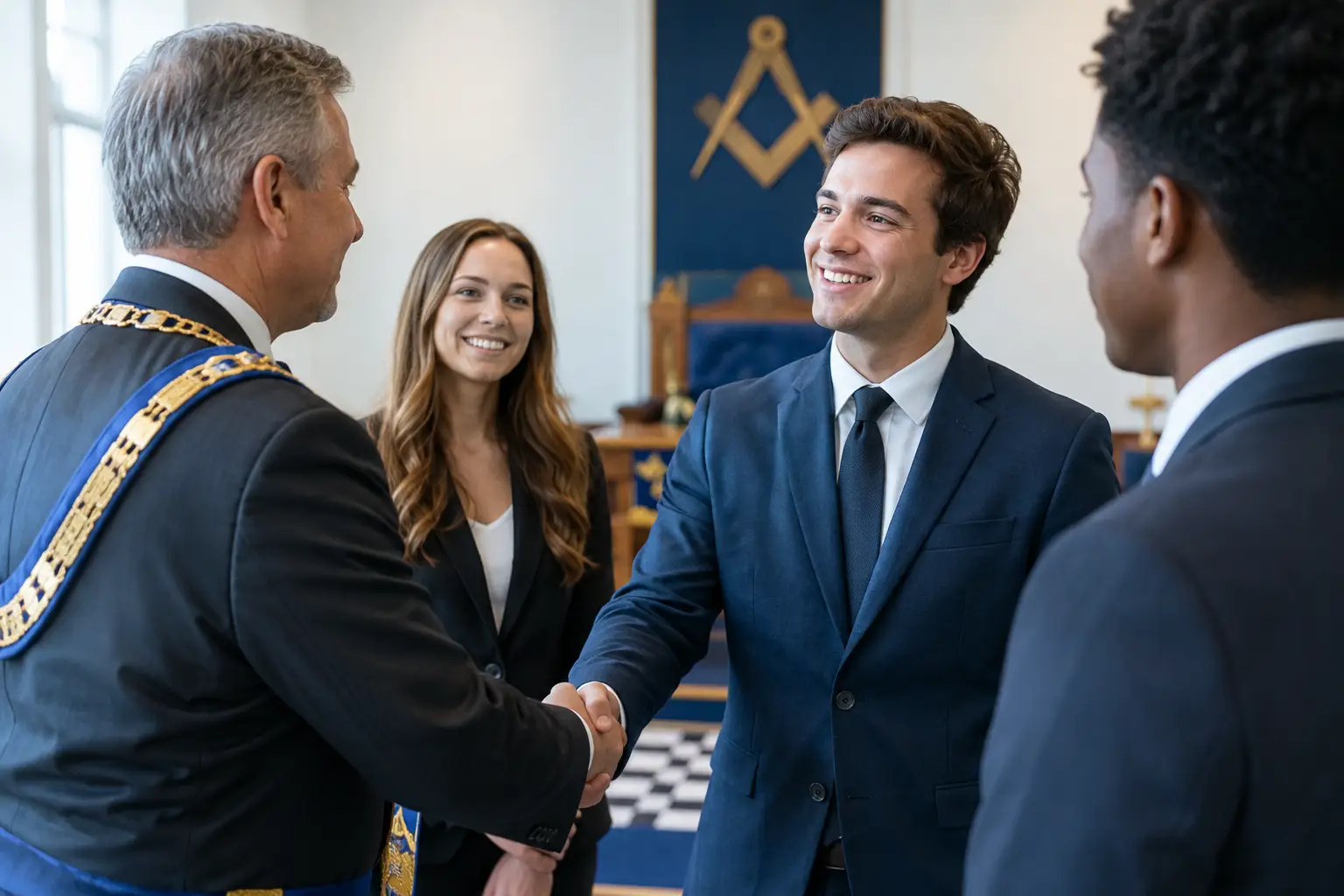
A first job, a move to a new city, college, family responsibilities, and the pressure to build a future can make early adulthood feel crowded. Yet it can also be the time when lasting friendships and sound habits matter most. So, do Freemasons welcome young adults? Yes. Freemasonry has long brought together adults at different stages of life, and many Lodges value the perspective, energy, and commitment that younger members bring.
Freemasonry is one of the oldest secular social and charitable organizations in the world, but it is not reserved for people who have reached a particular age, career position, or level of social standing. A young adult who is ready to live by principles of integrity, friendship, respect, and service can find a meaningful place in a Lodge.
Do Freemasons Welcome Young Adults? Absolutely
In most jurisdictions, men can inquire about joining from age 18, although specific requirements vary by state, country, or Grand Lodge. The important question is not whether someone is old enough to have all the answers. It is whether he is of good character, believes in a Supreme Being, and is willing to take membership seriously.
Freemasonry does not expect a young candidate to arrive with an established network, a senior title, or a family history in the organization. Some members do come from Masonic families, but many do not. They join because they want to meet people beyond their usual circles, contribute to their communities, and develop a stronger sense of personal responsibility.
A Lodge benefits from a mix of ages and experiences. A member in his twenties may bring curiosity and a fresh outlook. A member who has spent decades in the Craft may offer perspective, patience, and encouragement. That exchange is part of the point. Freemasonry creates a setting where generations can speak with one another as equals and form friendships that are not based solely on work, politics, or social media.
What Young Members Often Find in a Lodge
For many young adults, the appeal is not simply the history, impressive buildings, or ceremonial tradition. It is the chance to belong to a community with standards and purpose.
Lodge meetings provide a regular rhythm. Members gather, conduct their business, take part in ceremonies, share a meal or conversation, and support charitable or local causes. In a period of life when routines can change quickly, that consistency can be valuable. It is not a shortcut to success, but it can offer a dependable community and a reason to look beyond one’s immediate concerns.
Freemasonry also encourages members to think carefully about how they conduct themselves. Its ceremonies use traditional symbols and stories to explore themes such as honesty, self-discipline, compassion, learning, and duty. These are not abstract ideas. A member may carry them into the way he handles a disagreement, supports a friend, manages responsibilities at work, or volunteers in his neighborhood.
The friendships can be equally important. Young adults often meet people through school, work, sports, or online interests. A Lodge offers another kind of connection: one built over time through shared participation and mutual trust. It can introduce a new member to people with different careers, life experiences, and backgrounds while keeping the focus on common values.
Tradition Does Not Mean Standing Still
Some young adults hesitate because they assume Freemasonry is only for older generations. Its ceremonies and customs are historic, and that continuity is meaningful. But tradition is not the same as resistance to change.
Lodges today include members who are students, tradespeople, entrepreneurs, veterans, professionals, artists, caregivers, and retirees. They use contemporary ways to communicate, organize charitable projects, and stay connected between meetings. What remains constant is the purpose: helping good people become better citizens and friends.
That said, Freemasonry is not designed to be a casual drop-in activity. Membership involves attending when possible, learning the ceremonies, contributing to the life of the Lodge, and treating commitments with respect. For some people, that structure is exactly what they seek. For others, particularly during a demanding semester, a major relocation, or a period of intensive family care, the timing may not be right.
There is no disadvantage in waiting until a person can give membership proper attention. Freemasonry is intended to be a long-term journey, not another item to collect on a résumé.
Questions Young Adults Should Ask Before Joining
A prospective member should feel comfortable asking direct questions. What does this Lodge do in the community? How often does it meet? What are the expected costs? How much time do members typically give? What support is available to a new Mason? A welcoming Lodge will answer openly and explain its local customs.
It is also useful to ask what membership looks like beyond formal meetings. Some Lodges have family events, social gatherings, educational talks, volunteering opportunities, and visits with neighboring Lodges. Others may place greater emphasis on ritual work and formal tradition. Neither approach is automatically better. The best fit depends on what a young adult hopes to contribute and receive.
Potential members should understand that Freemasonry is not a business networking club, a political organization, or a religion. Members may come from many professions and hold different political views, but the Lodge is not a place to promote commercial interests or partisan causes. Likewise, Freemasonry asks members to believe in a Supreme Being, while leaving questions of individual faith to personal conscience.
That clarity matters. Young adults deserve an honest picture of membership before they decide. The right decision is one made freely, without pressure, and with an appreciation for both the opportunities and responsibilities involved.
How to Begin the Conversation
The traditional way to join is simple: ask. A person interested in Freemasonry can contact a local Lodge or Grand Lodge and express that interest. He may be invited to meet members informally, attend an open event, or have a conversation about his reasons for joining. This gives both the candidate and the Lodge time to decide whether membership is likely to be a good fit.
These conversations are not meant to test whether someone already knows Masonic terminology or has mastered its history. They are an opportunity to be candid. A young adult can explain what he is looking for, whether that is friendship after moving somewhere new, a stronger connection to service, an interest in heritage, or a desire for personal growth.
If he chooses to apply, the process usually includes a formal application, references or conversations with members, and a vote by the Lodge. The details differ by jurisdiction, but the principle is consistent: joining should be thoughtful and voluntary. Freemasonry values members who choose the path for themselves.
A Place to Grow, Not a Finished Product
Young adulthood is not a waiting room before “real life” begins. It is the period when people form convictions, establish patterns, and decide what kind of neighbor, friend, colleague, and citizen they want to be. Freemasonry can be a constructive companion in that work.
A young Mason will not be expected to be perfect. He will be encouraged to listen, learn, participate, and steadily improve. In return, he can bring his own talents, questions, and service to a community that has endured for centuries because each generation has found a reason to carry its values forward.
For a young adult seeking more than a social calendar – a community shaped by character, friendship, and practical service – asking a local Lodge about membership may be a worthwhile first step.