

Blog
Masonic Meeting Etiquette for New Members

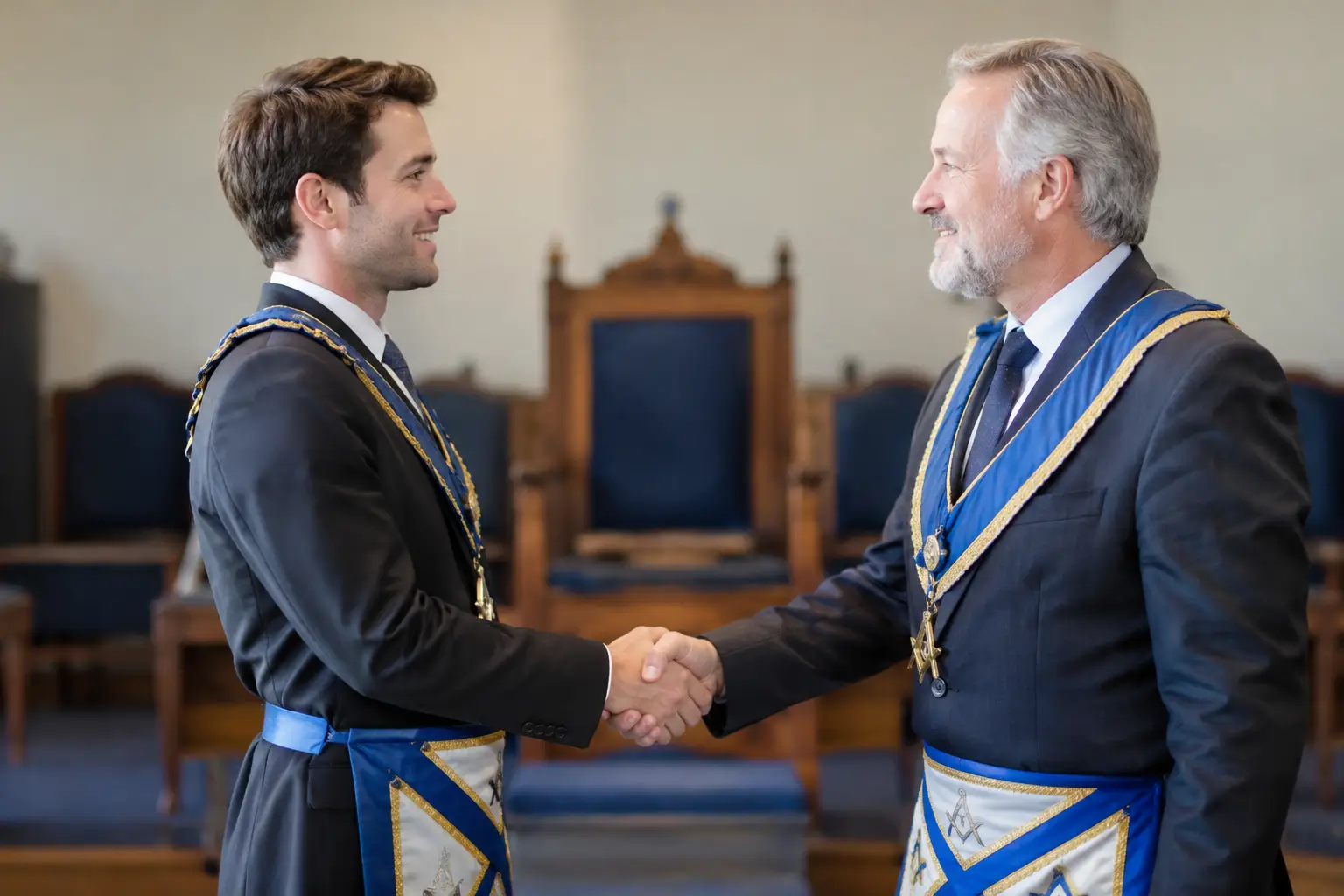
A Lodge meeting has a rhythm that may feel unfamiliar at first: members arrive, greet one another, take their places, conduct business, and share fellowship afterward. Masonic meeting etiquette is not a test of whether you already know every custom. It is a practical expression of respect for the Lodge, its members, and traditions that have helped men meet in friendship and service for generations.
For a visitor or new member, the most useful principle is simple: arrive with curiosity, listen carefully, and follow the guidance of the officers and experienced members around you. No one reasonably expects a newcomer to know every detail. A good Lodge will make sure you feel welcome while helping you understand how its meeting is conducted.
Why Masonic meeting etiquette matters
Freemasonry brings together men from different professions, backgrounds, faiths, and generations. The shared formality of a Lodge meeting gives everyone a common framework. It helps meetings run fairly, preserves a sense of occasion, and allows members to focus on the values at the heart of Freemasonry: integrity, friendship, respect, and service.
Etiquette also protects the dignity of ceremonial work. Masonic ceremonies are meaningful to those taking part, and they are best experienced in the proper setting rather than treated as a performance or an object of casual discussion. Respecting the meeting does not require stiffness or uncertainty. It means recognizing when formality is appropriate and when it is time to enjoy the company of fellow members.
Customs can vary between Grand Lodges, districts, and individual Lodges. A practice that is standard in one place may be handled differently elsewhere. When in doubt, follow local direction rather than relying on something you have seen online, heard from a friend, or encountered in another jurisdiction.
Before you attend a Lodge meeting
Confirm the practical details
If you are visiting, ask your host or Lodge secretary about the date, arrival time, location, dress expectations, and whether you will attend the formal meeting, the social gathering afterward, or both. Arriving 15 to 20 minutes early is usually wise. It gives you time to introduce yourself, settle in, and avoid interrupting preparations.
A meeting may begin promptly, and officers often have responsibilities to complete before the Lodge opens. Turning up early shows consideration for their time and gives someone the opportunity to explain where you should wait or sit. If unexpected circumstances make you late, enter only when invited or directed to do so.
Dress with care, not anxiety
Dress codes differ. Some Lodges meet in formal evening wear, while others use business attire or a more specific local standard. Your host can tell you what is expected. Choose clean, well-fitting clothing that matches the occasion, and do not assume that a relaxed event outside the meeting room means the formal meeting itself is casual.
New members should not purchase regalia or make assumptions about what they should wear before receiving clear guidance. Regalia reflects a member’s place and office within the Lodge. It is provided or worn according to established practice, not as an accessory.
Prepare to be present
Silence or switch off your phone before the meeting begins. Avoid taking photographs, recording audio, or posting about the meeting in real time. This is partly a matter of privacy, but it is also a courtesy to everyone present. A Lodge should be a place where members can give one another their full attention.
If you are unsure whether an item may be brought into the meeting room, ask first. The same applies to notes. A visitor may be invited to observe, but the best approach is generally to watch, listen, and let the experience unfold.
Masonic meeting etiquette inside the Lodge room
The Worshipful Master presides over the meeting, assisted by the Lodge officers. Their roles help maintain order and ensure that business and ceremonial work are conducted properly. Once the Lodge is open, follow instructions promptly and quietly.
You may notice members standing, sitting, moving, or responding at particular moments. Do not worry if you do not understand the reason immediately. Wait for guidance, observe what others do, and ask questions afterward. Trying to anticipate unfamiliar procedures can be more distracting than simply being attentive.
Speak through the proper channel
In formal Lodge business, members do not usually speak across the room or interrupt one another. If you are entitled to speak and wish to do so, follow the local method of addressing the chair. A more experienced member can guide you before the meeting if needed.
Keep contributions relevant, courteous, and concise. Freemasonry is nonpolitical and nonsectarian, so party political debate and religious controversy do not belong in Lodge. This does not prevent thoughtful conversation between friends. It recognizes that the Lodge exists to build harmony among people who may hold different personal views.
If you are a guest, do not feel pressure to speak. Being warmly welcomed does not mean being put on the spot. Your role may simply be to observe, meet members, and learn more about the character of the Lodge.
Respect privacy and ceremonial boundaries
Freemasonry is often misunderstood because people confuse privacy with secrecy. Lodge meetings include traditions and ceremonies that members undertake with seriousness, and some elements are reserved for those entitled to participate. Respecting those boundaries is part of being trustworthy.
Do not press members to reveal details of ceremonies, signs, words, or other internal matters. Equally, do not share personal information about fellow members without their permission. A conversation after a meeting may include professional experiences, family news, or charitable plans. Treat that confidence with the same care you would expect from a friend.
Questions are welcome when they are asked respectfully and at the right time. A member will usually be pleased to explain the purpose of the evening, the Lodge’s charitable work, or the path into membership. Some questions are better saved for after the formal meeting, when there is time for a proper answer.
The fellowship after the meeting
For many members, the meal or informal gathering after a Lodge meeting is where friendships deepen. It is also often the easiest setting for a prospective member to see Freemasonry as it is: a community of people making time for one another.
Introduce yourself plainly and be ready to listen. You do not need an impressive career story or extensive knowledge of Masonic history. Ask members how long they have belonged, what they enjoy about their Lodge, or what local causes it supports. These questions invite genuine conversation without treating anyone as a source of hidden information.
Be mindful of the social tone. Some gatherings are formal, while others are relaxed. Alcohol may be available at some events, but moderation matters. The purpose is fellowship, not excess. Be considerate of those who do not drink and of anyone who needs to travel home safely.
If there is a cost for the meal or a collection for charity, your host can explain the arrangement. Do not assume that every event operates the same way. A simple question asked in advance prevents awkwardness and shows good judgment.
Common mistakes new visitors can avoid
The most common mistake is believing that you must perform confidence or knowledge. You do not. Freemasonry values sincerity more than display. Let members know that you are new, and accept help when it is offered.
Another mistake is treating a Lodge visit like a tour of mysteries. It is natural to be interested in symbols and history, but a meeting is first a gathering of people with obligations to one another and their community. Look for the practical values behind the formality: orderly discussion, mutual support, charitable purpose, and respect across differences.
Finally, avoid judging an entire Masonic experience by one evening. Lodges have distinct personalities, meeting schedules, and local traditions. The right fit depends on what you hope to find, whether that is friendship, service, personal development, or a closer connection to heritage. A thoughtful visitor gives the conversation time to develop.
A respectful beginning
Good etiquette is less about memorizing rules than showing consideration. Arrive prepared, follow the lead of the Lodge, keep an open mind, and take an interest in the people you meet. Those habits will serve you well not only at a first meeting, but in the friendships and service that may grow from it.
If you are considering a visit, bring your questions and your best manners. A Lodge is built one respectful conversation at a time.