

Blog
How to Find a Masonic Lodge in Your Area

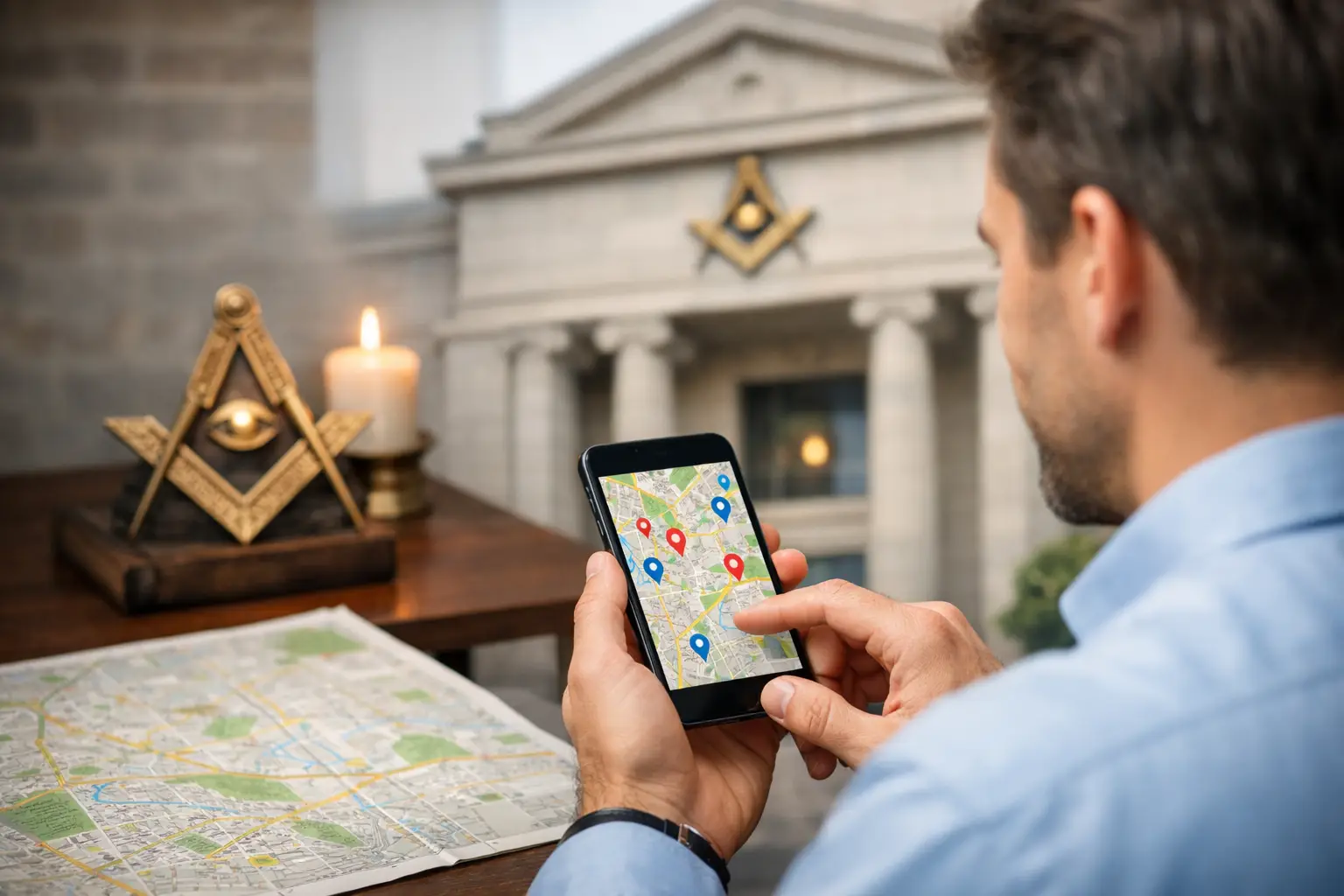
A Masonic Lodge is often closer than people expect: it may meet in a familiar downtown building, a community hall, or a dedicated Masonic center that has been part of local life for generations. If you are wondering how to find a masonic lodge, the most useful first step is to look for the recognized Masonic authority in your state or country, then make direct contact with a Lodge near you. You do not need to know a member before making an inquiry.
Freemasonry is one of the oldest secular social and charitable organizations in the world, but joining begins in a very practical way: a conversation. A good Lodge will be prepared to answer straightforward questions about its meetings, its members, its charitable work, and the process for becoming a Mason.
Start With Your State or National Masonic Authority
Freemasonry is organized through independent Grand Lodges. In the United States, each state generally has its own Grand Lodge, which recognizes and supports the local Lodges within its jurisdiction. This matters because a Grand Lodge directory is the clearest way to identify a regular, recognized Lodge and to find accurate contact information.
Search for the Grand Lodge of the state where you live, rather than relying only on a general web search or a social media listing. Its directory may allow you to search by city, county, ZIP code, or Lodge name. If no public directory is available, the Grand Lodge office can usually direct your inquiry to the appropriate local contact.
For those outside the United States, the same principle applies. Begin with the recognized Grand Lodge or governing Masonic body for your country or region. Freemasonry has shared values and traditions across the world, but meeting customs, application procedures, and eligibility requirements can differ by jurisdiction.
How to Find a Masonic Lodge That Feels Right
Distance is a sensible place to begin, but it should not be your only consideration. Lodges commonly meet once or twice a month, often in the evening, and regular attendance is part of building the friendships that make membership meaningful. A Lodge that is convenient to reach may be a better long-term fit than one with an impressive history but a difficult journey.
Once you have found several nearby Lodges, ask when they meet and whether they hold open events. Some Lodges organize dinners, charity events, heritage talks, family occasions, or informal gatherings where prospective members can meet Masons before deciding whether to apply. These occasions offer a natural view of the Lodge’s character beyond its formal meetings.
It is also reasonable to ask about the age range and backgrounds of the membership, the Lodge’s service activities, and what members enjoy most about belonging. There is no single Masonic experience. One Lodge may place special emphasis on local charitable projects; another may be particularly active in ceremonial work, history, music, or fellowship. The best choice depends on what you hope to contribute as well as what you hope to gain.
A Lodge should not pressure you to join quickly. Freemasonry values thoughtful commitment. The process is designed to give both you and the Lodge time to become acquainted and to ensure that membership is approached with sincerity.
A Lodge Is More Than a Building
The phrase “Masonic lodge” can refer either to the group of members or to the building where they meet. A Masonic temple or hall may host several separate Lodges, each with its own name, officers, meeting night, traditions, and charitable priorities.
If you visit a building and see several Lodge names listed outside, that is normal. Contact the building manager, a listed secretary, or the state Grand Lodge office and ask which Lodge may be most suitable for someone living in your area. They can help you understand the options without making the choice for you.
Make Contact With Confidence
A short, honest message is enough. Introduce yourself, say that you are interested in learning about Freemasonry, mention your general location, and ask whether someone would be willing to speak with you about the Lodge and its membership process. You do not need special vocabulary, a family connection, or an invitation from a current Mason.
You may receive a reply from the Lodge Secretary, the membership officer, or another member asked to welcome prospective candidates. Response times can vary because many Lodge officers serve voluntarily alongside work and family responsibilities. If you do not hear back promptly, a courteous follow-up or an inquiry through the Grand Lodge is appropriate.
The first conversation is not an examination. It is an opportunity to ask practical questions and to decide whether the values of Freemasonry speak to you. You might discuss the Lodge’s schedule, membership dues, expected participation, charitable commitments, and the time involved in learning the ceremonies and teachings of the Craft.
Freemasonry does have traditions and ceremonial forms that are best experienced in their proper setting. Yet its central principles are plain: Integrity, Friendship, Respect, and Service. A welcoming Lodge can explain what is public, what is ceremonial, and why its traditions continue to matter to its members.
Know the Basic Membership Expectations
Requirements vary by jurisdiction, so the local Grand Lodge should always be the final authority. In many regular Masonic jurisdictions, applicants are adult men of good character who believe in a Supreme Being and are joining of their own free will. Freemasonry is nonpolitical and nonsectarian. It does not ask members to abandon their personal faith, political views, or individual identity.
Prospective members are generally expected to be able to meet the financial obligations of membership without hardship and to make time for Lodge life. The cost is not simply a fee for an activity. It supports the practical work of the Lodge, its premises, administration, charitable giving, and shared fellowship. Ask for a clear explanation of joining costs and annual dues before proceeding.
The membership journey usually includes an application, meetings with members, and a ballot by the Lodge. These steps can feel formal, but they exist to protect the trust and harmony of the group. Membership is not a purchase or a shortcut to professional advantage. It is a voluntary commitment to personal growth, friendship, and service.
Be Alert to Unofficial Claims
A recognized Lodge will be open about its governing body, meeting place, contact details, and membership process. Be cautious if an organization promises instant rank, unusual financial rewards, secret influence, or membership in exchange for an online payment. These claims do not reflect the purpose of regular Freemasonry.
Likewise, be wary of websites that use Masonic imagery but provide no verifiable jurisdiction, no named Grand Lodge, and no local point of contact. If you are unsure, ask the Grand Lodge in your state whether a particular Lodge is recognized. A direct question is usually the fastest way to gain clarity.
Visit Before You Decide
An introductory meeting, open house, or dinner can tell you more than pages of description. Notice whether people make time to speak with one another, whether questions are answered respectfully, and whether the Lodge’s service to its community feels genuine. The most lasting Masonic friendships are built through shared effort, reliable attendance, and the ordinary kindness of members toward one another.
You may find that the first Lodge you contact is exactly the right place. Or you may visit more than one before choosing. Both outcomes are entirely acceptable. The aim is not simply to locate a meeting room, but to find a community in which you can develop your character, support worthwhile causes, and form enduring friendships.
If you approach the search with curiosity and patience, a local Lodge can offer something increasingly valuable: a regular place to meet people of different backgrounds, work for the common good, and be known by the strength of your word and your actions.