

Blog
Freemasonry Membership Requirements Explained

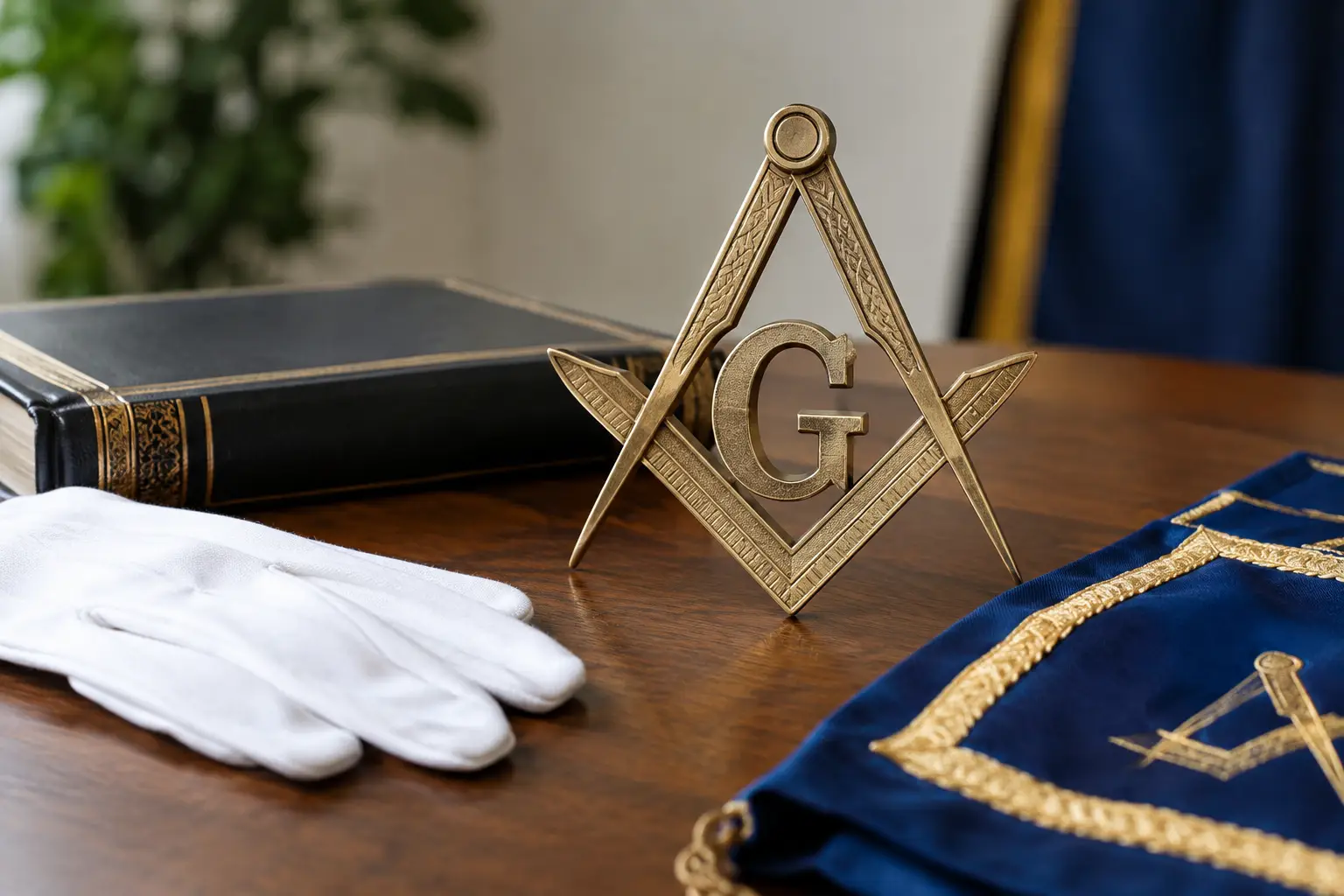
A man considering Freemasonry is often less concerned about the ceremony than about a simpler question: would I belong there? The freemasonry membership requirements are designed to answer that carefully. They help Lodges welcome people who are ready to build genuine friendships, develop their character, and contribute to their communities.
Freemasonry is one of the oldest secular social and charitable organizations in the world, but joining is not about having a particular job, education, social standing, or family connection. It is about character, shared values, and a willingness to take part. The process is purposeful because membership is meant to be a lasting commitment, not a transaction.
The Core Freemasonry Membership Requirements
The precise rules can vary by jurisdiction, so a local Lodge or Grand Lodge is always the right source for a final answer. Within the tradition represented by the United Grand Lodge of England, an applicant must be a man who is at least 18 years old, of good character, and able to affirm a belief in a Supreme Being.
That final requirement is sometimes misunderstood. Freemasonry is not a religion and does not ask members to abandon or alter their own faith. Its members come from many religious backgrounds. The shared belief in a Supreme Being provides a common foundation for the moral obligations made during Masonic ceremonies, while each member’s personal religious convictions remain his own.
Applicants must also join of their own free will. No one should feel pressured by a friend, relative, employer, or Lodge member to apply. A man should be interested in Freemasonry because its principles – Integrity, Friendship, Respect, and Service – speak to him personally.
Good character matters just as much as eligibility on paper. Lodges are communities built on trust. During the application process, members want to understand whether a candidate is honest, respectful of others, and likely to strengthen the fellowship of the Lodge. This is not a search for perfect people. It is an effort to welcome men who take responsibility for their conduct and want to keep growing.
What Freemasonry Does Not Require
Freemasonry has long brought together men from different professions, cultures, and backgrounds. A Lodge may include teachers, tradespeople, entrepreneurs, public servants, retirees, and students. There is no required profession, income level, political viewpoint, or academic qualification.
Nor do you need a family history in Freemasonry. Many members have relatives who were Masons, but many more begin with no personal connection at all. Asking questions as a newcomer is expected. In fact, a thoughtful applicant who wants to understand the commitment before joining is showing the kind of seriousness Lodges value.
Freemasonry is nonpolitical. Political discussion and religious debate are not part of Lodge meetings because the aim is to create a setting where men can meet as friends despite differences that may divide them elsewhere. Respectful conversation is encouraged; arguments intended to win partisan or theological points are not.
Age, Independence, and Practical Readiness
Being 18 or older establishes legal adulthood, but readiness for membership involves more than a birthday. Lodge life asks for time, attention, and consistency. Meetings are usually held regularly, and new members learn through participation, conversations with experienced members, and the ceremonies that mark progress through the degrees.
It is also sensible to consider the financial side openly. Lodges have subscriptions and may have additional costs for meals, regalia, charitable giving, or special events. The level varies from one Lodge to another. No one should place undue pressure on their finances to join. A good Lodge will explain expected costs clearly and discuss what participation normally looks like.
Family considerations matter, too. Freemasonry should complement a member’s responsibilities at home, work, and in the community, not compete with them. Many Lodges include families in social occasions and charitable events, and members often find that the friendships formed through the Lodge enrich their wider lives. Still, an applicant should be realistic about the time he can give.
How the Membership Process Usually Works
Joining generally begins with a conversation, not a formal test. You may contact a local Masonic organization directly, attend an open event, or speak with a Mason you know. This early stage is an opportunity to ask plain questions about meetings, costs, local culture, charitable activity, and what members enjoy about their Lodge.
If there is mutual interest, you may be introduced to several members. These conversations are important. They give you a sense of whether the Lodge is right for you, and they allow members to get to know you beyond an application form. A Lodge is not merely a meeting place. It is a circle of people who will share milestones, support one another, and work together over many years.
The application and interview
The formal application is often called a petition. It records basic information and may ask for references or sponsors who can speak to your character. In some cases, a man who does not know any Masons will be introduced to potential sponsors through the Lodge. That is entirely normal.
An interview or committee meeting usually follows. The purpose is not to catch applicants out or test their knowledge of symbols and ritual. Rather, it is a respectful discussion about your reasons for applying, your understanding of the commitment, and any practical questions on either side. Be candid. If you are uncertain about something, asking directly is better than trying to give the answer you think is expected.
After the Lodge considers the application according to its rules, successful candidates are invited to be initiated. Initiation is the first of Freemasonry’s three degrees. It is a meaningful ceremonial occasion, but it is also the start of an ongoing relationship with the Lodge and the wider Masonic community.
Choosing a Lodge That Fits
Not every Lodge feels the same, and that is a strength. Some have deep local histories; others are organized around shared interests, professions, languages, or stages of life. Some place particular emphasis on formal tradition, while others are especially known for their social calendar or charitable work. The underlying principles remain consistent, but the character of the membership can differ.
When meeting a Lodge, pay attention to how members treat one another and how they speak about service. Do conversations feel warm and respectful? Do members make time for newcomers? Is there a healthy balance between ceremonial commitment, friendship, family life, and charitable activity? The right Lodge should feel welcoming without making promises it cannot keep.
You should also ask what support is available for new members. Learning Masonic customs and ceremonies takes time. A strong Lodge will ensure that a new member has people to guide him, answer questions, and make introductions. The goal is not simply to admit a candidate but to help him become an active, confident member.
A Commitment to Character and Service
Freemasonry cannot guarantee a new career, a larger social circle overnight, or an easy answer to life’s challenges. What it offers is more enduring: a structured community in which men are encouraged to act honorably, form friendships across ordinary boundaries, and contribute to causes beyond themselves.
That is why the membership process is considered with care. The requirements protect the trust within a Lodge while keeping the door open to men of many backgrounds who share its values. If you are drawn to friendship with purpose, personal responsibility, and practical service, the most useful next step is simply to start a conversation with a Lodge near you.