

Blog
Can Women Join Freemasonry? A Clear Answer

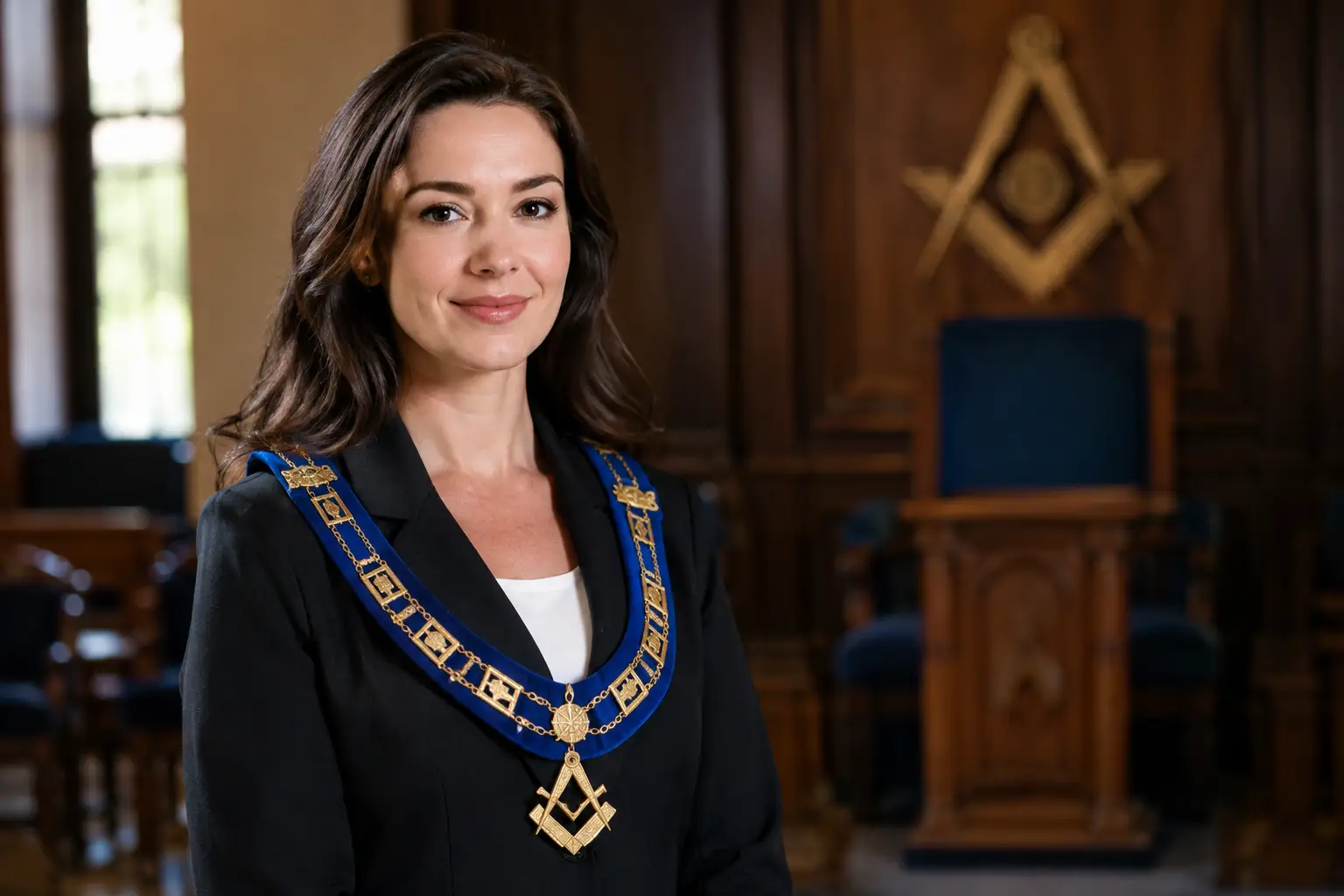
A question about women and Freemasonry deserves a straightforward answer, not vague references to secrecy or tradition. Can women join freemasonry? Yes, women can join Masonic organizations. The right route depends on the organization and the country, because Freemasonry is made up of independent Grand Lodges and related Masonic bodies rather than one worldwide governing institution.
For those asking about the United Grand Lodge of England and the Lodges within its jurisdiction, membership is for men. At the same time, women’s Masonic organizations and co-Masonic organizations offer women meaningful paths into the values, fellowship, ceremonial tradition, and charitable service associated with Freemasonry.
Can Women Join Freemasonry in Traditional Lodges?
The United Grand Lodge of England, one of the oldest secular social and charitable organizations in the world, admits men aged 18 and over who meet its membership requirements. This reflects the historic structure of the Craft and the principles under which its Lodges are organized. The first published Constitutions of 1723 established a framework that has shaped Freemasonry for more than three centuries.
That answer should not be mistaken for a judgment about women’s place in civic life, service, or leadership. Freemasonry’s traditions developed through particular historical forms of association, and different Masonic organizations have taken different approaches over time. A men’s Lodge is a space where men from varied backgrounds can build friendship, reflect on character, and support their communities together. Women’s Freemasonry provides an equivalent opportunity for women.
The important distinction is between a specific Grand Lodge’s membership rules and Freemasonry in its wider family of traditions. There is no single membership policy that applies everywhere.
Women’s Freemasonry Has Its Own Established Tradition
Women have participated in Masonic life in various forms for well over a century. In England, two established women-only Grand Lodges offer a Masonic experience for women: The Order of Women Freemasons and The Honourable Fraternity of Ancient Freemasons. Each has its own history, governance, Lodges, ceremonies, and membership process.
These organizations share much of the ethical language familiar to many Freemasons: integrity, personal responsibility, friendship, respect for others, and service to the community. Members meet in Lodges, take part in ceremonial work, support charitable causes, and form relationships that often extend far beyond a meeting night.
Their existence also corrects a common misconception. Freemasonry is not simply a closed historical society for men. It is a living network of organizations, and women have built enduring Masonic communities with their own leadership, traditions, and charitable commitments.
There are differences among women’s Masonic organizations, just as there are differences among Grand Lodges more generally. The form of ritual, rules around belief, local culture, charitable priorities, and membership expectations may vary. Anyone considering joining should speak directly with the organization they are interested in rather than relying on assumptions or internet summaries.
What About Co-Masonry?
Co-Masonry refers to Masonic organizations that admit both women and men. These bodies generally seek to bring people together in a shared Lodge setting while drawing on Masonic symbolism, degrees, and moral teachings. For some prospective members, that mixed membership is an important part of what they are looking for.
Co-Masonic organizations are separate from the United Grand Lodge of England and its Lodges. That does not make one path more sincere than another. It means that each organization has its own constitution, authority, membership standards, and understanding of its Masonic identity. Being clear about these distinctions is respectful to members and useful to anyone exploring their options.
Why Membership Rules Differ
Freemasonry is often discussed as though it were a single club with a single rulebook. In practice, it is organized through independent Grand Lodges. A Grand Lodge governs its own Lodges, sets its own qualifications for membership, and maintains its own relationships with other Masonic organizations.
This structure explains why the answer can differ between jurisdictions. In the United States, most mainstream state Grand Lodges are male-only, while women’s and co-Masonic organizations are also active in many areas. Requirements may differ by state, city, or organization. A person who encounters one Masonic group cannot assume that every other group follows exactly the same practice.
The same principle applies to terminology. A group may describe itself as a women’s Masonic order, a women’s Grand Lodge, or a co-Masonic body. The most useful question is not which label sounds most familiar. It is whether the organization’s purpose, values, meeting style, and membership policy match what the individual hopes to find.
Choosing the Right Masonic Path
People are drawn to Freemasonry for many reasons. Some want a regular opportunity to serve others. Some want structure and reflection in a busy life. Others value historical tradition, ceremonial expression, or the chance to form friendships with people beyond their usual social and professional circles.
A prospective member should begin with those motivations. If a woman is seeking a women-only environment, a women’s Grand Lodge may be the most natural fit. If she prefers a Lodge where women and men participate together, co-Masonry may be worth exploring. If a man is considering membership through a traditional Lodge under the United Grand Lodge of England, he should look for a local Lodge whose culture and meeting arrangements suit him.
Before applying, it is sensible to ask practical questions. How often does the Lodge meet? What level of participation is expected? Are there costs for membership, dining, regalia, or charitable giving? What charitable work does the organization support? Is the atmosphere formal, relaxed, or somewhere in between? A good organization will welcome thoughtful questions and explain its process openly.
Membership should never be treated as a purchase or a shortcut to business connections. Freemasonry is built on participation. Its value comes from showing up, getting to know fellow members, contributing where possible, and taking its principles seriously in ordinary life.
Shared Values, Different Organizations
The fact that Masonic organizations have different membership rules does not prevent them from sharing a broad moral purpose. At their best, Masonic communities encourage members to act with integrity, treat people with respect, strengthen friendships, and give time and resources to causes beyond themselves.
Those commitments matter because they turn heritage into something practical. A Lodge meeting may involve ceremony and tradition, but it also creates a place for members to check in on one another, organize support for a local cause, or welcome someone who is new to the area. The rituals may be old; the need for belonging, mutual support, and civic responsibility is not.
For relatives and friends, this can also be a helpful way to understand what membership means. Whether someone joins a men’s Lodge, a women’s Masonic organization, or a co-Masonic body, the experience is usually less about mystery than it is about community, personal growth, and service.
Common Questions About Women and Freemasonry
Can a woman attend a traditional Masonic Lodge meeting?
Attendance depends on the Lodge, the event, and the local rules. Many Lodges welcome partners, family members, and guests at social occasions, charitable events, open days, and dinners. A formal Lodge meeting itself is normally reserved for members and those permitted under the relevant rules. Asking the local Lodge in advance is always the best approach.
Do women’s Masonic organizations perform the same rituals?
Women’s and co-Masonic organizations work within Masonic traditions, but rituals and practices can differ by organization. It is more accurate to say that they have related Masonic systems than to assume every ceremony is identical. The organization itself can explain its approach to degrees, symbols, and Lodge life.
Are women’s Masonic organizations mainly historical groups?
No. They are active membership organizations. Like traditional Lodges, they bring together people who want friendship, ethical development, ceremony, and charitable purpose. Their members organize meetings, support one another, and contribute to their communities.
A clear answer is the best starting point: traditional Lodges under the United Grand Lodge of England are for men, while women can pursue established women’s Masonic or co-Masonic routes. The next step is simply to choose the community whose values, structure, and spirit feel like a genuine place to contribute and belong.