

Blog
Freemason Degrees Explained in Three Steps

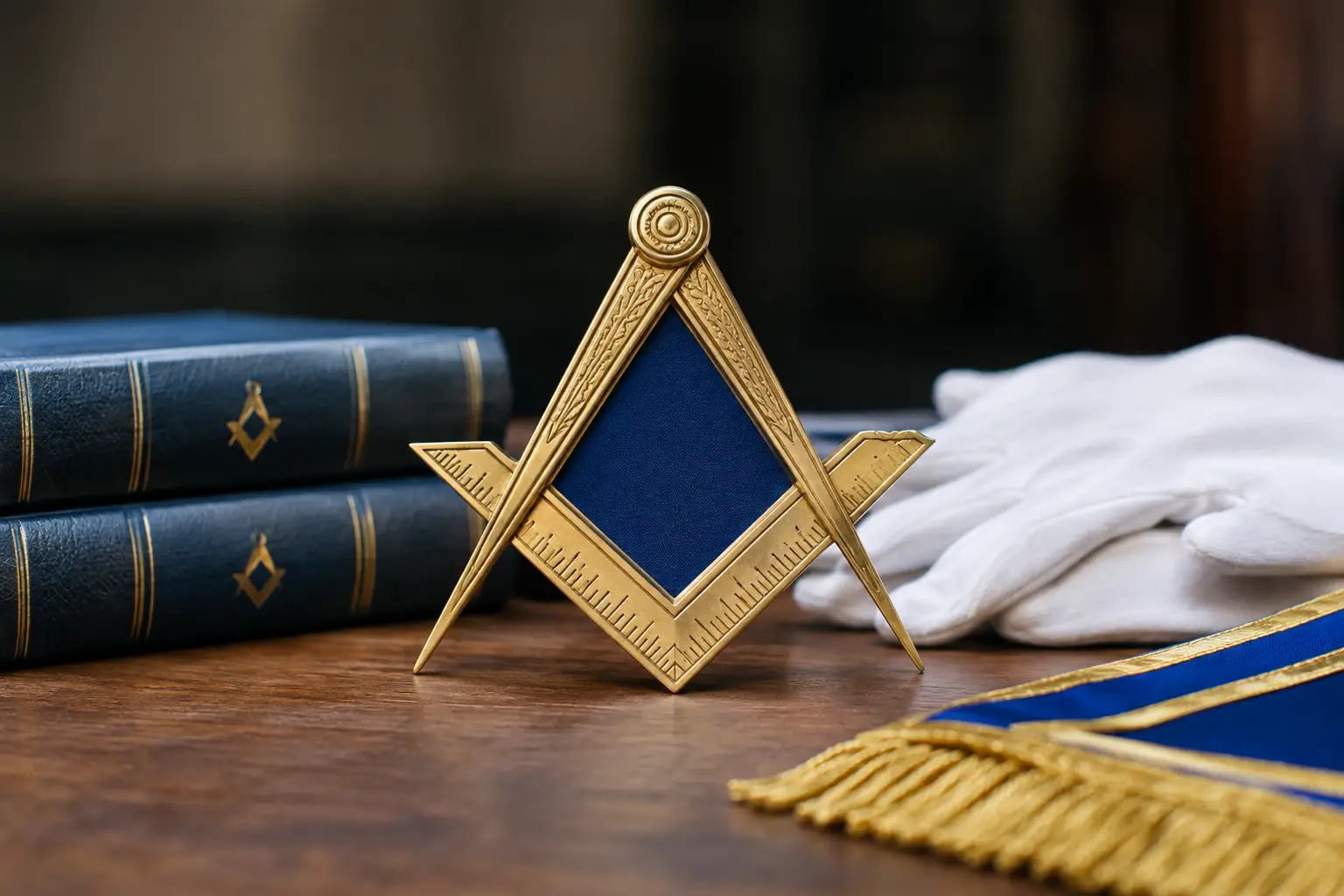
A Freemason does not join a Lodge already knowing everything. He begins with questions: What happens at a meeting? Why are there degrees? What do the symbols mean? This guide to Freemason degrees explained starts with the clearest answer: the three Craft degrees are a shared journey through which a member is welcomed, taught, and encouraged to put good principles into practice.
Freemasonry is one of the oldest secular social and charitable organizations in the world. Its ceremonies preserve traditions that have connected members for centuries, but their purpose is practical and current. Each degree invites a member to reflect on integrity, friendship, respect, and service – values that matter at home, at work, and in the community.
What Are the Three Freemason Degrees?
In Craft Freemasonry, the foundation of the Masonic experience is formed by three degrees: Entered Apprentice, Fellow Craft, and Master Mason. They are not university qualifications, job titles, or a ladder of personal status. They are stages of membership, each marked by a ceremonial meeting and each using stories, symbols, and shared traditions to explore a different aspect of personal development.
The ceremonies are private to members. That privacy is not about hiding a secret agenda. It allows candidates to experience the degree in the intended way, alongside fellow members who have made the same commitment. The principles taught in the degrees are no mystery: honesty, responsibility, compassion, self-discipline, and care for others.
A member usually progresses through the degrees over time, with the pace depending on his Lodge, its meeting schedule, and his readiness to take part. There is no advantage in rushing. The point is to understand the experience, build relationships within the Lodge, and find a meaningful place in its life and charitable work.
First Degree: Entered Apprentice
The Entered Apprentice degree is the first step. It marks a candidate’s formal entry into Freemasonry and introduces the idea that a person can improve himself through reflection, learning, and principled action.
Its central theme is beginning. The candidate is encouraged to consider his conduct, his responsibilities, and the importance of a good reputation. The degree also establishes the relationship between the new member and the Lodge. He is not expected to arrive as a finished person. He joins a community of men who support one another while aiming to live well.
For many new members, this first experience is memorable because it makes the welcome tangible. A Lodge is often made up of people of different ages, occupations, backgrounds, and interests. The degree gives them a common language of courtesy and purpose from the outset.
Second Degree: Fellow Craft
The Fellow Craft degree builds on that beginning by focusing on learning, effort, and the development of the mind. It encourages a member to value education in its broadest sense: not only formal study, but curiosity, sound judgment, and a willingness to keep learning from life and from others.
The symbols and lessons of this degree draw on the traditional image of a skilled worker improving his craft. In modern terms, that can mean taking pride in useful work, treating people fairly, and applying reason before making decisions. It also recognizes that knowledge carries responsibility. Learning should make us more thoughtful, not more self-important.
This stage often resonates with members who are balancing careers, families, and community commitments. It is a reminder that growth is not limited to one chapter of life. A Lodge offers fellowship across generations, and the conversations around its meetings can be as valuable as the formal ceremony itself.
Third Degree: Master Mason
The Master Mason degree completes the three-degree Craft journey. Its themes are more reflective, addressing faithfulness, mortality, legacy, and the enduring value of a life guided by principle.
This degree does not mean a member has mastered every lesson Freemasonry has to offer. Rather, it gives him full standing within his Lodge and the opportunity to take a more active role in its work. A Master Mason may vote on Lodge matters, serve as an officer when appropriate, mentor newer members, and participate more fully in Masonic life.
The degree’s message is both serious and hopeful. It asks members to consider what they will leave behind: not simply possessions or professional achievements, but the effect of their character, kindness, and service on other people. That question has kept the degree meaningful for generations.
How Degrees Work in Lodge Life
A degree is not an isolated performance. It takes place within the life of a Lodge, where members meet regularly for a combination of formal business, ceremonial work, friendship, and often a shared meal afterward. Lodges also raise funds for charitable causes, support local communities, and provide members with a dependable circle of friendship.
Before receiving a degree, a candidate is guided by other members. He may be assigned a proposer, supporter, or mentor, depending on local practice. These relationships help answer practical questions and make the experience less daunting. Freemasonry values preparation, but it does not expect perfection.
The exact timing of progression varies. Some Lodges meet monthly; others meet less often. A member’s work and family responsibilities also matter. Taking time between degrees can give someone the chance to become comfortable with the Lodge, attend meetings, and understand the values being discussed. The most rewarding path is usually one that fits a member’s life rather than competes with it.
Freemason Degrees Explained: What They Do Not Mean
Misunderstandings often arise when Masonic degrees are described as ranks. They are better understood as lessons in a continuing course of personal and shared development. A Master Mason is not inherently more important than an Entered Apprentice. Every member deserves respect, and every Lodge depends on people contributing in different ways.
You may also hear about additional Masonic organizations or orders. These can offer further fellowship, charitable activity, historical interest, or opportunities to explore particular traditions. However, they do not replace the three Craft degrees, which remain the essential foundation of Freemasonry. Participation in other bodies is a personal choice and may have its own membership requirements.
Nor do the degrees require a member to abandon his own beliefs, politics, or identity. Freemasonry is nonpolitical and nonsectarian. Members are encouraged to live by their own sincere convictions while treating others with respect. Lodge meetings are not a place for political or religious debate. They are a place to build goodwill across differences.
Why Ceremony Still Matters
For someone new to Freemasonry, ceremonial language and symbolism can seem unfamiliar at first. That is understandable. The traditions are deliberately distinct from ordinary daily life because they create space to pause and think about questions that are easily overlooked.
Symbols are used as reminders rather than codes to be solved. Tools associated with building, for example, can represent the work of shaping one’s character. A Lodge room can represent an ordered setting in which members meet as equals. The meaning grows through participation, conversation, and time.
Ceremony also creates a shared experience. Members may come from very different walks of life, yet they recognize the same lessons and customs. That continuity is part of Freemasonry’s heritage, but it also has a modern benefit: it gives people a reliable place to form friendships based on character rather than professional advantage.
Considering Membership
If you are interested in joining, you do not need to have every answer before making an inquiry. A good first conversation can explain how local Lodges operate, what membership involves, and whether Freemasonry is likely to suit your circumstances. In the United Grand Lodge of England tradition, men who meet the relevant membership requirements can apply through a local Lodge, with time given for both the candidate and the members to get to know one another.
The right reasons for joining are personal, but they are often simple: a wish for friendship, a desire to contribute to charity, an interest in history and tradition, or a commitment to becoming more useful in one’s community. The degrees provide a structure for that journey. What gives them life is the way members carry their lessons into ordinary acts of integrity, respect, and service.