

Blog
Plan a Memorable Museum of Freemasonry Visit

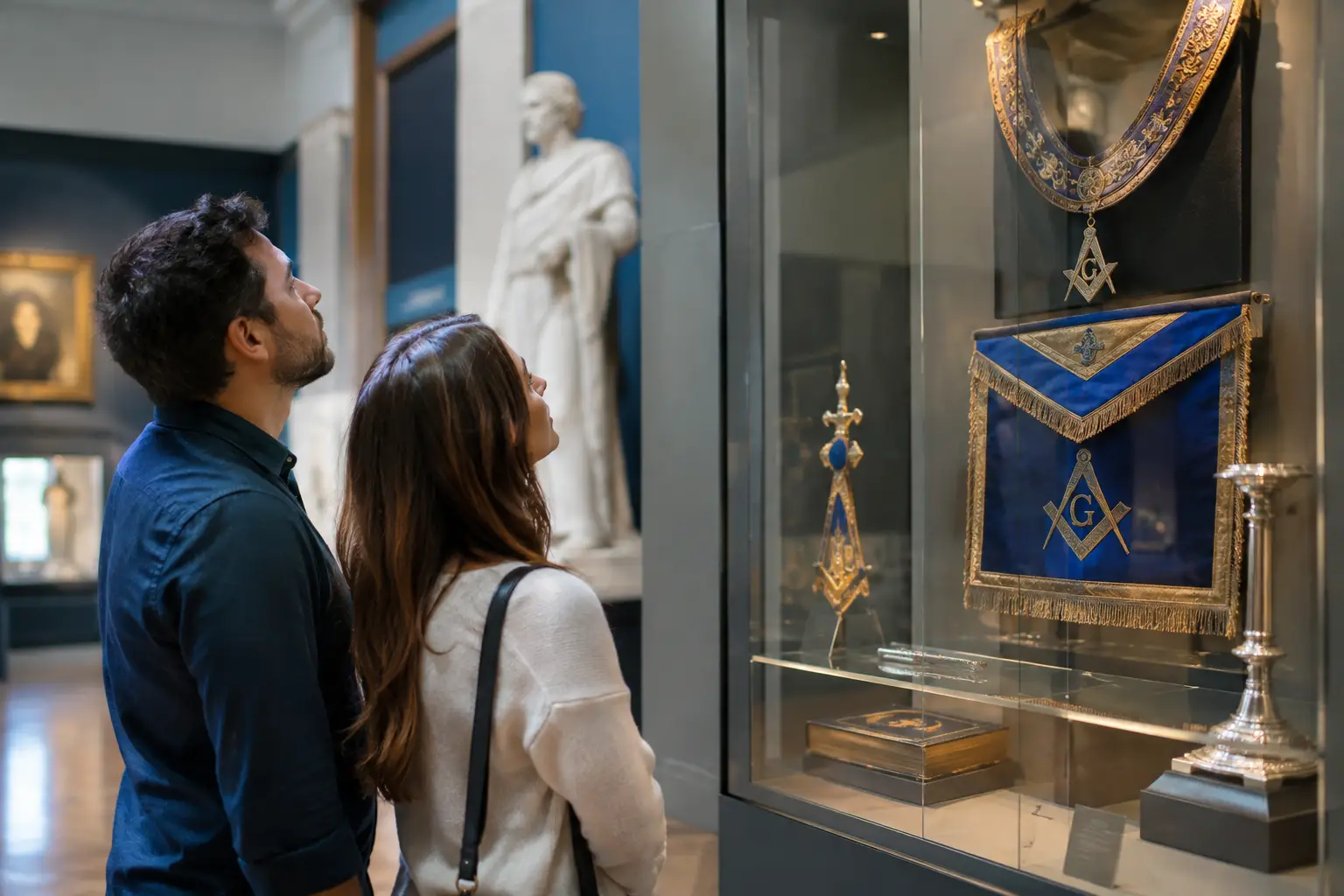
A museum of freemasonry visit begins before you enter the building. For many visitors, Freemasons’ Hall in London is recognizable from film and television, yet its grand Art Deco interiors are only part of the story. Within this working Masonic center, the Museum of Freemasonry offers a direct, evidence-based introduction to an organization that has shaped charitable, civic, and social life for more than three centuries.
Whether you are a history enthusiast, planning a London itinerary, researching family connections, or simply curious about Freemasonry, the museum rewards a little preparation. Its objects do not ask visitors to accept a legend. They invite them to look closely at the real people, communities, craftsmanship, and values behind one of the oldest secular social and charitable organizations in the world.
What makes the Museum of Freemasonry distinctive
The Museum of Freemasonry is not separate from the life of the institution it interprets. It sits at Freemasons’ Hall, the headquarters of the United Grand Lodge of England, where Freemasonry continues to meet, organize charitable work, and welcome members from many backgrounds. That setting matters. A visit is an opportunity to see historical collections in a place where the traditions they represent remain meaningful today.
The museum’s holdings span the growth of modern Freemasonry from the early eighteenth century onward. Visitors may encounter ceremonial regalia, jewels, portraits, manuscripts, furniture, prints, and decorative objects. These pieces reflect changing styles and periods, but they also show a consistent concern with fellowship, moral reflection, learning, and service.
One of the most useful things a museum visit can do is replace vague assumptions with context. Freemasonry has often been portrayed as unknowable or defined by rumor. The collections present a more grounded picture: local lodges formed friendships across occupations and generations; members supported charitable causes; and ceremonial objects helped express shared ideals such as integrity, respect, and personal responsibility.
How to prepare for a Museum of Freemasonry visit
For US visitors, it helps to think of the museum as both a heritage destination and part of a functioning headquarters. Plan your trip around the museum’s current opening arrangements and any scheduled tours or events at Freemasons’ Hall. Access, gallery availability, and guided experiences can vary, particularly when the building is hosting ceremonies or public programs.
Allow enough time to take in the building as well as the displays. Freemasons’ Hall is a significant example of Art Deco design, completed in the twentieth century on a site long associated with English Freemasonry. The scale and detail of its public spaces can be striking, but they are more than a backdrop. They speak to the confidence, continuity, and communal ambitions of the organization that built them.
If you are traveling with a particular question, bring it with you. A family surname, an interest in eighteenth-century London, a question about Masonic symbols, or curiosity about charity can give your visit a useful focus. Museum staff and interpretation can help distinguish between what is public history, what belongs to private ceremonial practice, and what is simply a misconception repeated over time.
Photography rules, bag policies, and accessibility provisions should always be checked before traveling. This is especially worthwhile for families, researchers, and visitors making a one-time trip from outside London. Good preparation leaves more room for the pleasure of looking carefully once you arrive.
What the collections can tell you
Regalia is history, not costume
Aprons, collars, jewels, and other forms of regalia are among the objects people most associate with Freemasonry. Seen only in photographs, they can appear mysterious. In a museum setting, they become historical records. Materials, colors, embroidery, and symbols can indicate a period, an office, a lodge connection, or a particular Masonic tradition.
Regalia also helps explain that Freemasonry uses ceremony to mark responsibility and shared commitment. It is not about status for its own sake. Officers undertake duties within their lodges, and the visible signs of office help members recognize those roles during formal meetings. The distinction is useful for newcomers: ritual has an important place in Freemasonry, while the wider purpose is to encourage good character, friendship, and practical service.
Objects connect private lives to public history
Portraits, letters, certificates, and personal items can reveal how Freemasonry intersected with ordinary lives. Members have included people from the arts, business, public service, science, and skilled trades. Yet the most revealing stories are often not about famous names. They are about men who found a reliable circle of friendship, contributed to their local community, and remained connected through changing circumstances.
This perspective is particularly valuable for anyone considering membership. A museum cannot tell you whether Freemasonry is right for you, but it can show that the organization has always been made real by people participating in local lodges. Its history is not only a sequence of prominent events. It is also the accumulated experience of meetings, mutual support, charitable fundraising, and shared meals.
Symbols need context
Masonic symbols are often reproduced without explanation. In the museum, they can be understood in relation to the values they represent. Working tools drawn from stonemasonry, for example, are used as reminders to build a life of honesty, balance, discipline, and consideration for others.
Interpretation matters because symbols are not secret codes for power or influence. They are teaching devices, shaped by a tradition that encourages members to reflect on how they live and serve. A visitor does not need to be a Mason to appreciate the ideas behind them. The questions are universal: How should we treat others? What obligations do we have to our communities? How can friendship make us more useful to those around us?
A visit for newcomers, families, and researchers
The museum serves different kinds of visitors well, but each may approach it differently. A newcomer to Freemasonry may want a clear, factual starting point. The galleries can provide that without pressure, showing that Freemasonry is a values-led membership organization rather than a hidden world beyond public understanding.
Families may find a connection through a relative’s records, regalia, or lodge history. If you are researching an ancestor, remember that names alone may not answer every question. Lodge membership, dates, offices, locations, and archival records all matter, and historical terminology can differ from what a modern visitor expects. Patience is often part of the research process.
Educators and students can use the museum to examine larger themes: the development of voluntary associations, the visual language of civic identity, the history of philanthropy, and London’s changing social networks. The collections are strongest when read as evidence of real communities rather than treated as curiosities.
For current Freemasons, a visit can be a reminder that familiar practices have a long and evolving history. Tradition does not mean standing still. Over generations, Freemasonry has adapted its charitable work, broadened public engagement, and continued to offer members a structured place to develop friendships and contribute to society.
Make room for questions, not assumptions
A thoughtful visit does not require prior knowledge, and it does not require visitors to agree with every aspect of the tradition. It asks only for curiosity and a willingness to look at the evidence. Some people will be drawn first to architecture or design; others to family history, ceremonial objects, or the story of Masonic charity. Each is a valid route into the collection.
There is also value in recognizing the boundary between openness and privacy. Freemasonry publicly explains its purpose, values, charitable work, and membership pathway. Like many long-standing organizations, it also preserves ceremonial experiences for members. The museum helps make that distinction understandable rather than sensational.
As you leave Freemasons’ Hall, consider what has endured beneath the changing styles of regalia and architecture: people choosing to meet in friendship, hold themselves to high standards, and support others through practical service. That is the most worthwhile souvenir a Museum of Freemasonry visit can offer.