

Blog
How to Become a Mason and Find Your Lodge

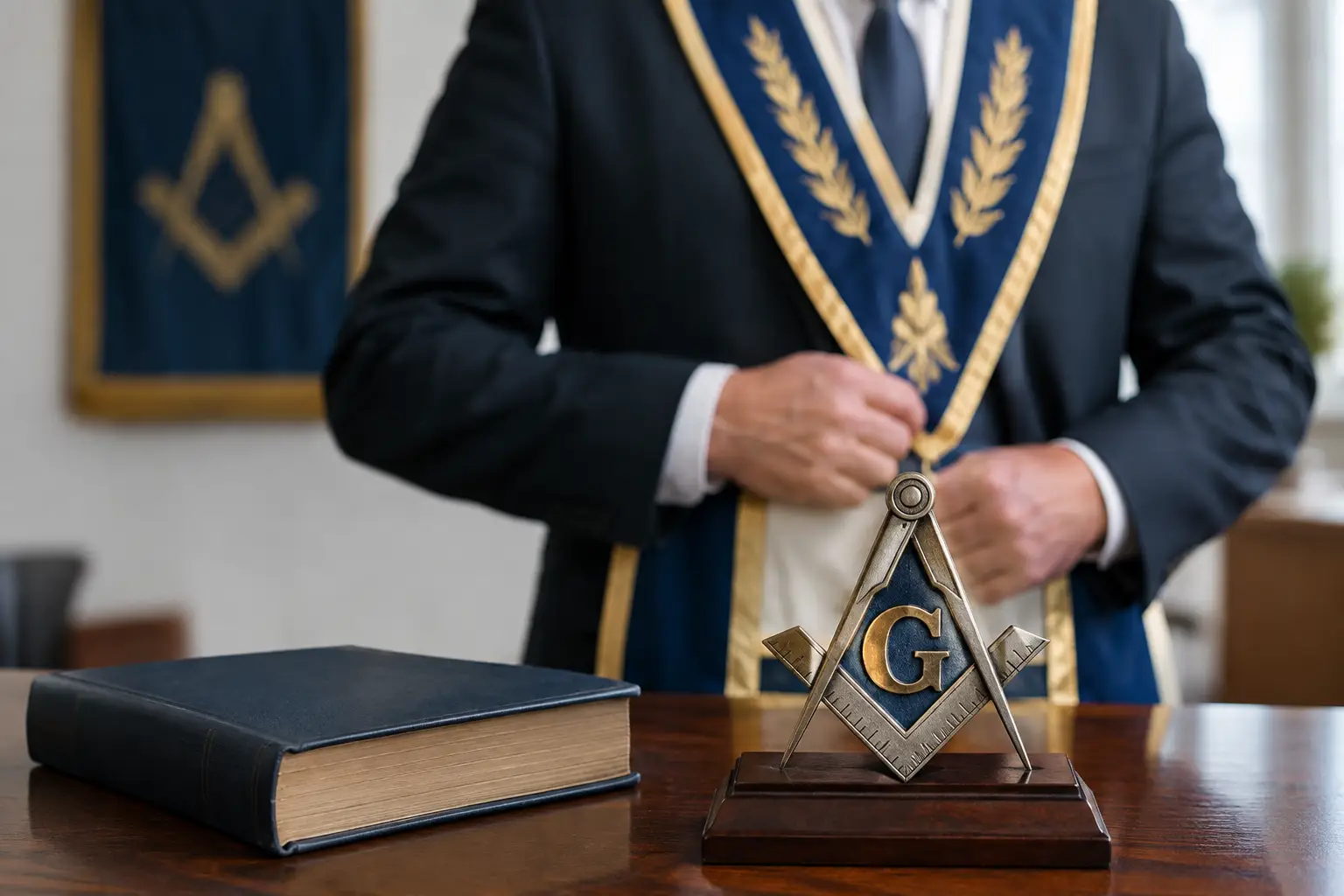
Freemasonry begins not with a secret handshake, but with a sincere question: what kind of man do you want to be among others? If you are wondering how to become a mason, the practical answer is straightforward. You make contact with a local Lodge, learn what membership involves, and decide whether its values, commitments, and community are right for you.
The more meaningful answer takes a little longer. Becoming a Freemason is an invitation to take your character seriously, form friendships across backgrounds and generations, and contribute to causes beyond yourself. It is not a shortcut to business contacts or status. It is a lifelong association built on Integrity, Friendship, Respect, and Service.
What it means to become a Mason
Freemasonry is one of the oldest secular social and charitable organizations in the world. Its traditions draw on the language and tools of historic stonemasonry, using them as symbols for building a better life and a better society. A square, for example, can prompt reflection on fairness and honesty. A level can remind members to treat one another with equal respect.
Those symbols are part of a ceremonial tradition, but Masonic life is lived in ordinary ways: sharing a meal after a meeting, checking in on a member who needs support, raising money for local charities, or volunteering time for a community cause. Lodges bring together men from many professions, cultures, and life experiences. What they share is a willingness to improve themselves and serve others.
Freemasonry is nonpolitical and nonsectarian. Members are expected to respect different views, and partisan political or religious debate does not belong in Lodge meetings. In many jurisdictions, including those under the United Grand Lodge of England, applicants must affirm a belief in a Supreme Being. The precise membership requirements and practices can differ by state, country, or Grand Lodge, so the local jurisdiction is always the best source for a final answer.
Who can apply for Freemasonry?
The basic question is less about achievement than character. Freemasonry seeks men of good reputation who wish to join of their own free will and who can make the time for active participation. The minimum age varies by jurisdiction, commonly 18 or 21. Applicants should also be prepared for the ordinary costs of membership, which may include an initiation fee, annual dues, dining, and charitable giving.
A prospective member does not need to be wealthy, highly educated, or from a particular professional background. Lodges value the different perspectives that members bring. What matters is whether you can approach the commitments of membership with honesty, maturity, and respect for others.
It is also worth speaking openly with a spouse, partner, or close family before applying. Lodge meetings, social events, and charitable activities take time. A good Lodge should support family life rather than compete with it, but joining works best when the people closest to you understand why it matters to you.
How to become a mason: the membership process
The route into Freemasonry is purposeful, but it should not feel mysterious. While details vary between jurisdictions, most applicants follow a similar path.
Start with a conversation
Contact a recognized local Masonic body or Lodge and say that you would like to learn more. You do not need to know a Mason personally before making an inquiry. The old phrase that a man must be invited to join has often discouraged good candidates; in practice, Freemasonry welcomes genuine interest and expects a man to ask for himself.
An initial conversation gives you space to ask candid questions. What does the Lodge do? How often does it meet? What are the costs? What charitable work does it support? What does the ceremony involve, and what is expected of a new member? You should leave with clearer information, not pressure.
Meet local members
Before an application is considered, you will usually have an opportunity to meet members informally. This may be over coffee, at a Lodge social event, or in a conversation with one or more officers. The point is mutual understanding.
You are deciding whether the Lodge feels like a community where you can contribute and belong. The members are also getting to know you. A Lodge is not looking for a perfect candidate. It is looking for someone who will uphold its principles, participate in its life, and treat fellow members with consideration.
Submit an application
If both sides wish to continue, you may be asked to complete a petition or application. This generally includes personal details, references, and declarations related to eligibility. Be open and accurate. Questions about your background are not designed to make the process intrusive; they help preserve the trust on which Lodge life depends.
Many Lodges will arrange a more formal interview or visit with a small group of members. They may ask why you want to join, what you understand about Freemasonry, and whether you can meet the practical commitments. This is also your chance to ask anything you have not yet raised.
Wait for the Lodge’s decision
Applications are considered according to the rules of the relevant Grand Lodge and the customs of the local Lodge. Members may vote on a candidate after the required inquiries have been completed. The process can take time, particularly if a Lodge meets only once or twice a month. That patience is intentional: membership is meant to rest on confidence and shared goodwill, not haste.
If your application is accepted, you will be given a date for initiation and guidance on what to expect. You will not need to memorize anything in advance or arrive with specialist knowledge. Come prepared to listen, reflect, and take part with respect.
The three degrees and what comes next
A Mason’s early journey is traditionally marked by three degrees: Entered Apprentice, Fellow Craft, and Master Mason. Each degree uses ceremony, moral teaching, and symbolism to explore personal responsibility, learning, self-discipline, and service.
The ceremonies are private, not because they conceal anything harmful, but because their impact depends on experiencing them personally. Freemasonry is open about its principles and charitable purpose while preserving the details of its rituals for members. That distinction allows new Masons to encounter the lessons in their intended setting, alongside the people who will help them interpret and apply them.
Becoming a Master Mason is a significant milestone, but it is not the finish line. New members continue learning by attending meetings, taking on small responsibilities, supporting charitable efforts, and building friendships. In time, some choose to serve as Lodge officers. Others find their greatest contribution in mentoring newer members, organizing events, or quietly helping where help is needed.
Choosing the right Lodge matters
Not every Lodge has the same rhythm. One may emphasize formal tradition and ceremonial excellence. Another may be especially active in local charity, family events, or welcoming younger members. Neither approach is automatically better. The right fit depends on your stage of life, travel distance, work schedule, and what you hope to contribute.
Ask how often the Lodge meets and whether attendance at meals or additional events is customary. Ask about its age range, charitable projects, and how it supports new members after initiation. A Lodge should be able to explain its expectations plainly and welcome your questions without making promises it cannot keep.
If a particular Lodge is not the right match, that does not mean Freemasonry is not for you. Another Lodge nearby may better suit your schedule or interests. The Masonic Journey exists to make that first step more understandable, so that men can approach membership with confidence rather than uncertainty.
A commitment with room to grow
Freemasonry asks something real of its members: time, attention, good conduct, and a willingness to place service alongside personal ambition. In return, many men find enduring friendship, a steadier sense of purpose, and opportunities to make a practical difference in their communities.
The best next step is simply an honest conversation with a local Lodge. Bring your questions, take your time, and look for a community whose values you are ready to practice, not merely admire.