

Blog
Masonic Ethics and the Practice of Good Character

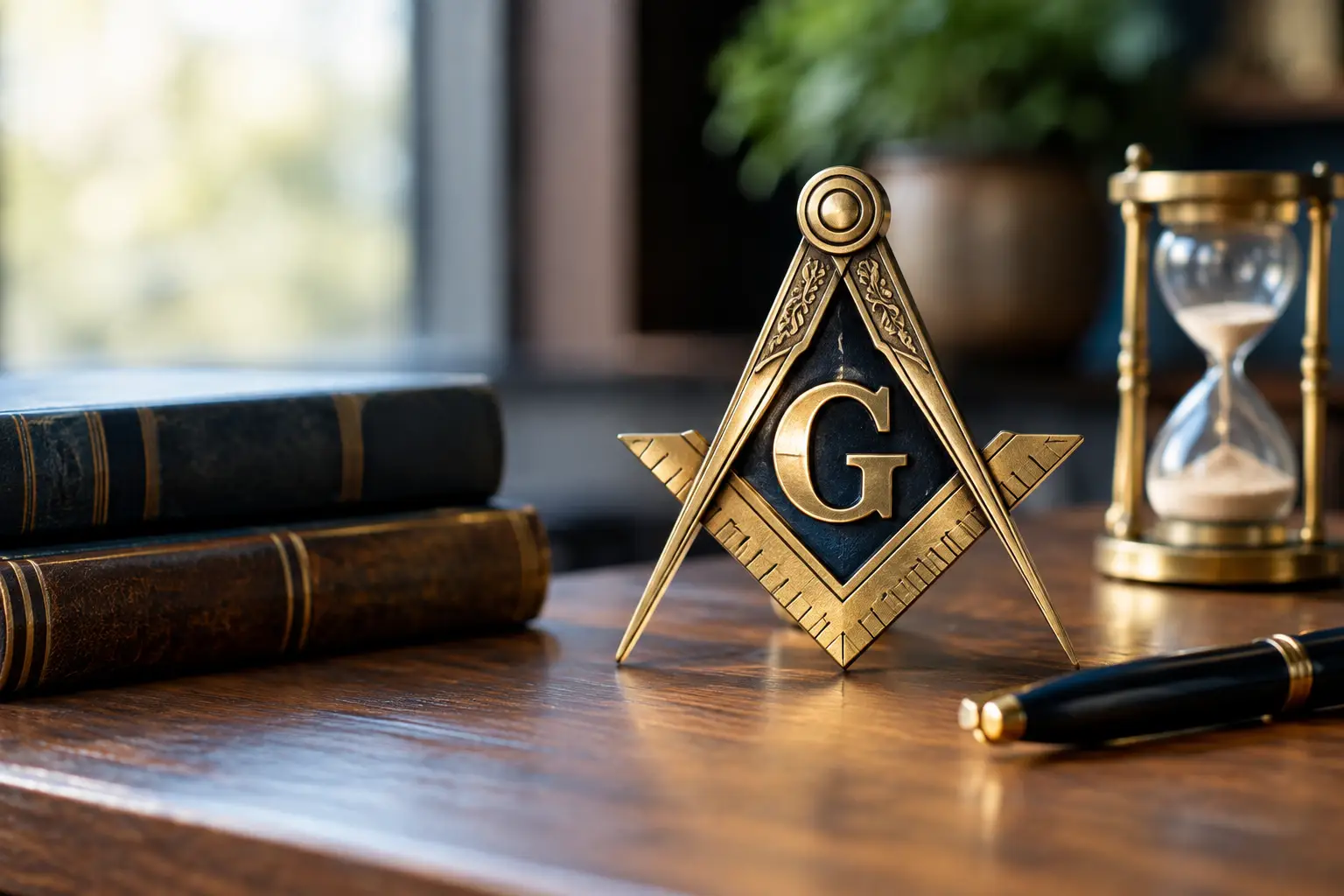
A Mason’s character is tested far more often in ordinary moments than in ceremonial ones: when a promise becomes inconvenient, when a colleague is treated unfairly, or when a neighbor needs help without fanfare. Masonic ethics are concerned with those moments. They offer a practical standard for how a person can live with integrity, build trust, and contribute positively to the lives around them.
Freemasonry does not claim to replace a person’s faith, conscience, family responsibilities, or civic duties. Rather, it encourages members to examine their conduct and to keep improving it. Its lessons are expressed through symbols, ceremonies, conversation, and shared service, but their purpose is straightforward: to help good men become more thoughtful, dependable, and useful members of society.
What Are Masonic Ethics?
Masonic ethics are the moral principles that guide a Freemason’s conduct toward other people and toward himself. They are commonly expressed through four central values: Integrity, Friendship, Respect, and Service. These are not abstract slogans reserved for a Lodge meeting. They are standards intended to shape everyday decisions.
Integrity asks a Mason to be honest in word and action, to honor commitments, and to behave consistently whether or not anyone is watching. Friendship calls for genuine fellowship across differences of background, profession, and outlook. Respect requires courtesy, tolerance, and recognition of every person’s dignity. Service turns those values outward through charitable giving, volunteering, and practical care for others.
The ethical tradition of Freemasonry is rooted in a long history. The 1723 Constitutions set out expectations of good conduct, peaceful citizenship, and mutual regard at a time when religious and political divisions could easily bring people into conflict. Those principles still matter because communities remain stronger when people can disagree without contempt and cooperate without demanding sameness.
An Ethical Framework, Not a Private Code
One common misunderstanding is that Freemasonry offers members a hidden moral code separate from public life. It does not. The values taught in a Lodge are familiar ones: honesty, compassion, fairness, responsibility, self-control, and generosity. What Freemasonry provides is a regular setting in which members can reflect on those values, hold themselves to them, and put them into practice alongside others.
Its ceremonies use the language and working tools of historic stonemasons to illustrate this process. The square, for example, is associated with fairness and right conduct. The compasses encourage moderation and self-restraint. The level reminds Masons that every person deserves respect, regardless of social position or material success. These symbols are not shortcuts to virtue. They are memorable prompts to ask difficult questions: Was I fair? Did I keep my word? Did I use my time and influence well?
That distinction matters. Ethical growth is not achieved by receiving a title, learning a ritual, or attending a certain number of meetings. It depends on consistent effort. A member may be challenged to listen more carefully, respond less defensively, or make room for someone who has been overlooked. The work is personal, but it is strengthened by community.
Integrity When No One Is Keeping Score
Integrity is often the most demanding Masonic value because it leaves little room for convenience. It means being reliable when a promise is difficult to keep, admitting a mistake before it becomes someone else’s problem, and refusing to gain an advantage through dishonesty.
For many members, this is where Freemasonry has practical relevance. A person may bring the discipline of integrity into business decisions, family life, volunteer roles, or friendships. It can mean giving credit where it is due, paying what is owed, protecting confidences, and speaking truthfully without being needlessly harsh.
Integrity does not require perfection. Everyone falls short at times. The ethical question is what happens next: whether a person takes responsibility, makes amends where possible, and learns from the experience. A Lodge can offer encouragement and accountability, but the decision to act rightly remains with the individual.
Respect Without Requiring Agreement
Freemasonry brings together men from varied professions, cultures, generations, and political viewpoints. That makes respect more than a pleasant ideal. It is a necessary discipline.
Masonic Lodges are nonpolitical and nonsectarian spaces. Members are not expected to abandon their sincerely held beliefs, but they are expected to avoid turning the Lodge into a battleground for them. This creates room for friendship where people might otherwise only see difference.
Respect is not passive politeness. It includes the willingness to hear another person fully, to challenge conduct without attacking character, and to extend basic courtesy even when agreement is impossible. In a public culture that often rewards outrage, this is a quiet but meaningful practice.
There are limits, of course. Respect does not mean ignoring wrongdoing or avoiding hard conversations. It means approaching those conversations with fairness, restraint, and a commitment to the dignity of others. A Mason should be able to disagree firmly without becoming contemptuous.
Friendship as a Moral Responsibility
Masonic friendship is more substantial than networking or social convenience. It is built through regular meetings, shared traditions, meals, charitable projects, and the simple experience of showing up for one another over time. A Lodge can include people who would never otherwise meet, yet who discover common ground in a shared commitment to character and service.
This kind of friendship carries ethical weight. It asks members to notice when a brother is struggling, celebrate another person’s success without envy, and offer support without expecting recognition in return. It also asks for candor. A true friend does not merely applaud; he helps another person live up to the standards he claims to value.
For men seeking community, this can be one of Freemasonry’s most lasting benefits. Friendship is not an optional extra beside the ethical teaching. It is one of the ways ethical teaching becomes real. It is easier to act with courage, patience, and generosity when one belongs to a community that values those qualities.
Service That Reaches Beyond the Lodge
Service is where Masonic ideals become visible to the wider community. Freemasons support charitable causes, raise funds, volunteer time, and respond to needs in their local areas. The form this takes varies. One Lodge may focus on community groups, another on health-related charities, education, emergency support, or helping families facing a difficult period.
The purpose is not to claim moral superiority. Meaningful service is often quiet, practical, and shaped by what people actually need. A donation may help, but so may a conversation, a ride to an appointment, help with a community event, or the steady work of organizing volunteers.
Service also requires judgment. Good intentions alone are not always enough. Effective charity listens to communities, uses resources responsibly, and avoids treating recipients as objects of pity. Masonic ethics call for generosity joined to humility and common sense.
Why Masonic Ethics Still Matter
Many people have access to advice about success. Far fewer have regular opportunities to consider what a successful life should be for. Masonic ethics shift the question away from status and toward character: Are you trustworthy? Do you treat people fairly? Are you a dependable friend? Do you leave your community better than you found it?
These questions are relevant at every stage of life. A younger member may be building confidence and direction. Someone in midlife may be balancing work, family, and civic responsibility. An older member may be looking for meaningful ways to share experience and serve others. The circumstances differ, but the call to integrity, friendship, respect, and service remains recognizable.
Freemasonry does not offer an easy answer to every moral dilemma. Life can involve competing duties, incomplete information, and consequences no one can fully predict. Its value lies in encouraging the habits that make wiser choices more likely: reflection before action, honesty about motives, respect for others, and willingness to accept responsibility.
The Masonic Journey invites people to see Freemasonry not as a mystery to be feared, but as a community in which ethical aspirations are practiced with purpose. The most convincing expression of Masonic ethics is not a symbol on display or a phrase repeated in a meeting. It is the person who keeps faith with others, makes time to help, and chooses to do what is right when no applause is expected.