

Blog
What Happens at Masonic Meetings? A Clear Look

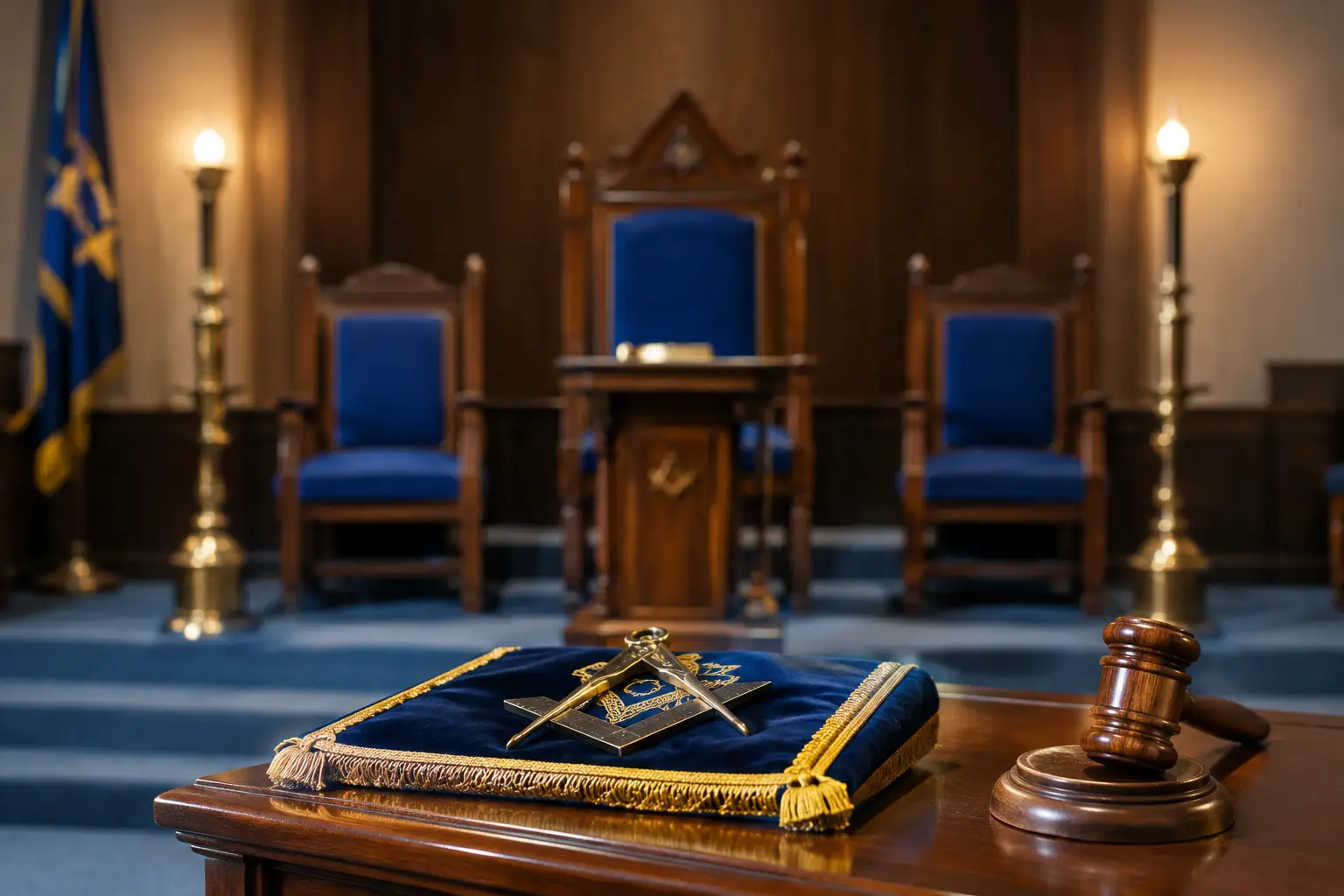
A Lodge meeting is not a mysterious gathering conducted behind a cloud of rumor. It is a structured evening where members meet as equals, carry out the business of their Lodge, take part in time-honored ceremonies, and spend time with friends. For anyone asking what happens at masonic meetings, the clearest answer is that they bring together moral reflection, fellowship, and practical service.
The details vary between jurisdictions, Lodges, and types of meeting. A regular meeting may focus on administration and planning; another may include a ceremony for a new member or a presentation of a degree. Yet the purpose remains recognizable across Freemasonry: to help good men become better citizens, friends, and contributors to their communities.
What happens at Masonic meetings?
Most Masonic meetings have two distinct parts. The first is the formal Lodge meeting, held in a Lodge room and conducted according to established procedures. The second is social fellowship, often shared over a meal before or after the meeting. Both matter. The formal work gives the evening its meaning and continuity; the social time builds the friendships that make a Lodge feel like a community.
Meetings are led by elected and appointed officers. The Worshipful Master presides over the Lodge, supported by officers with particular responsibilities, such as assisting candidates, caring for the Lodge’s records, managing finances, or helping maintain the order of the meeting. These are not honorary labels alone. They offer members a chance to develop confidence, public-speaking ability, responsibility, and leadership through service to others.
Visitors are sometimes surprised by the care given to etiquette. Members dress appropriately for their Lodge and occasion, address officers respectfully, and follow a recognized order of business. This formality is not intended to make anyone feel distant. Rather, it creates a shared setting in which men of different ages, professions, faiths, and backgrounds can meet on level ground.
The formal work of a Lodge
A meeting normally opens and closes with a traditional ceremony. This establishes the Lodge as a private space for members to conduct its work with mutual respect and attention. Freemasonry has retained elements of ceremonial language and symbolism from earlier centuries, which is one reason it has sometimes been misunderstood from the outside.
The ceremonies are not religious worship, political rallies, or commercial networking events. Freemasonry is nonsectarian and nonpolitical. Members are encouraged to practice their own faith and fulfill their duties as citizens, but partisan political debate and sectarian religious arguments do not belong in Lodge meetings.
Within the meeting, members may hear minutes from the previous gathering, receive reports from the Secretary or Treasurer, approve charitable donations, discuss upcoming events, and vote on Lodge matters. A Lodge might plan a family event, arrange support for a local cause, welcome a visiting member, or consider an application from someone who has expressed an interest in joining.
This practical side of Freemasonry is easy to overlook, but it is essential. Lodges are member-led communities. Decisions about their charitable work, finances, activities, and future are made responsibly by the members who give their time to sustain them.
Ceremonies and the three degrees
At some meetings, the principal item is a degree ceremony. Freemasonry traditionally has three degrees: Entered Apprentice, Fellow Craft, and Master Mason. Each marks a stage in a member’s Masonic journey and uses allegory, symbols, and participation to explore character, learning, responsibility, and service.
A candidate does not simply sit and listen. He is welcomed and guided by experienced members through a ceremony designed to be memorable and reflective. The exact wording and elements of the ritual are reserved for members, not because they conceal anything harmful, but because the experience has greater personal meaning when encountered in the Lodge itself.
The broad themes, however, are open to explain. Masonic ceremonies encourage integrity in conduct, respect for others, friendship across differences, and service to the wider community. They use the working tools of historic stonemasons as symbols for building a well-ordered and useful life.
Not every meeting includes a degree. Some evenings are shorter business meetings, while others may feature an educational talk on local history, Masonic heritage, charitable work, or a subject of wider interest. Lodges also hold rehearsals so officers can present ceremonies thoughtfully and support candidates well.
Friendship is part of the meeting, not an afterthought
For many members, the meal and conversation around a Lodge meeting are where a first acquaintance becomes a lasting friendship. Depending on the Lodge, members may gather for dinner beforehand, enjoy refreshments afterward, or hold a more formal festive board. The atmosphere can range from traditional to relaxed, but the point is the same: sharing time together.
A Lodge brings together men who might otherwise never meet. A younger member starting a career may sit alongside a retired teacher, a tradesman, a business owner, a veteran, or a neighbor from a different cultural background. Masonic friendship is not based on status. Members are expected to treat one another with courtesy and consideration.
That does not mean every Lodge has the same culture. Some meet in historic settings with a strongly traditional character; others are smaller, informal, or focused on a particular interest. A prospective member should feel comfortable asking what a local Lodge is like, how frequently it meets, what costs are involved, and whether family events are part of its calendar. Finding the right fit matters.
Charity and community service often shape the agenda
Freemasonry is one of the world’s oldest secular social and charitable organizations, and its commitment to service is expressed locally as well as nationally. Masonic meetings provide a place to identify needs, coordinate volunteers, and decide how funds can be used responsibly.
A Lodge may support disaster relief, medical research, youth opportunities, hospices, food programs, veterans’ causes, or a family facing hardship. In many cases, the work happens quietly and in partnership with established community organizations. Members may also give practical help through fundraising, volunteering, mentoring, or simply showing up for a local cause.
Charity is not treated as a performance or a condition of friendship. It is a habit of looking beyond oneself. For members, that habit connects the lessons discussed in the Lodge room with the responsibilities of everyday life.
What visitors and prospective members should expect
Regular Lodge meetings are generally for members and invited Masonic visitors, so a person who is considering membership would not normally arrive unannounced expecting to observe the formal ceremony. However, many Lodges hold open events, public talks, tours, dinners, and community activities where visitors can meet members and ask straightforward questions.
If you speak with a Mason about joining, expect a conversation rather than a sales pitch. He may ask why Freemasonry interests you, what you hope to contribute, and whether you can make time for meetings and community involvement. Membership is most rewarding when it is approached as a commitment to personal growth and shared service, not as a shortcut to business contacts or social status.
It is also reasonable to ask about the practicalities. Lodges meet at different intervals, often monthly during part of the year, and dues, dress expectations, travel distance, and meal costs can differ. Many members balance Freemasonry with work, family, and other responsibilities. A healthy Lodge recognizes that balance and values meaningful participation over appearances.
Why tradition still has a place
The formality of a Masonic meeting can feel unfamiliar at first, particularly in a culture that often favors casual interaction. But the continuity is part of its value. For more than 300 years, Freemasonry has offered men a setting in which promises matter, service is encouraged, and people are judged by their character rather than their position.
Its traditions are not an escape from modern life. They are a way to meet modern pressures with steadier habits: listening carefully, speaking respectfully, helping a neighbor, keeping one’s word, and making time for real friendship. The ritual provides a framework, but the real measure of a Lodge is how its members carry those values beyond the meeting room.
For someone curious about Freemasonry, the best next step is often a simple conversation with a local member. Ask what his Lodge does, what he has learned from it, and how it serves its community. The answer will be more personal than any rumor, and it may reveal a place where tradition is still used for a practical purpose: helping people live with integrity and support one another.