

Blog
The Future of Freemasonry Membership Today

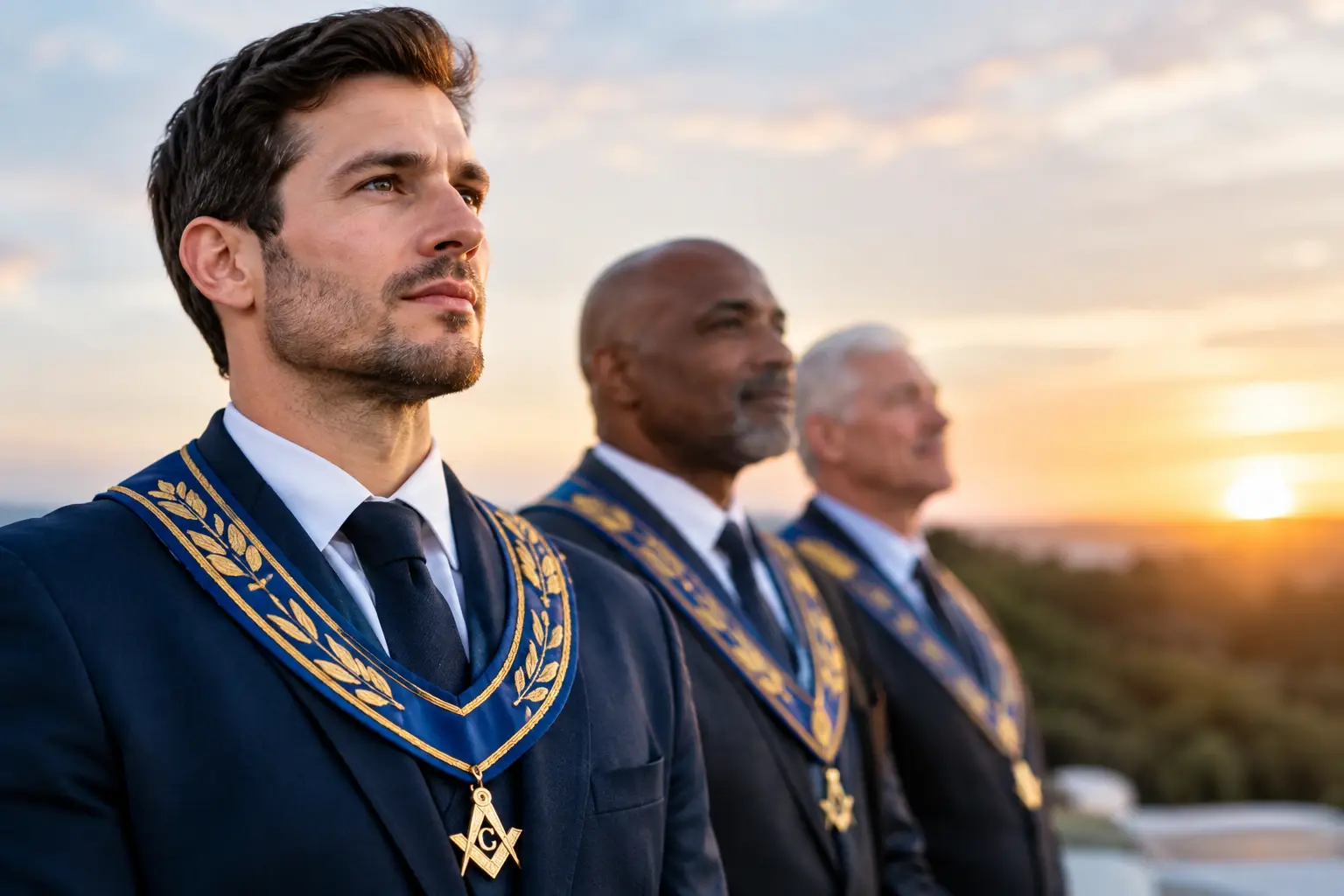
A man may first encounter Freemasonry through a family story, a local charity event, a visit to Freemasons’ Hall, or a simple question: where can I find genuine friendship and a worthwhile way to contribute? The future of freemasonry membership will be decided less by mystery and more by how clearly Lodges answer that question. For more than 300 years, Freemasonry has offered a setting in which men of different backgrounds meet as equals, develop their character, and support good causes. Those needs have not disappeared. In many ways, they have become more urgent.
Why membership still matters
Modern life provides countless ways to communicate but fewer dependable places to belong. Work can be remote, neighborhoods can feel transient, and social connections can become limited to screens or shared interests that never grow into lasting responsibility for one another. A Lodge offers something different: regular face-to-face fellowship, a shared purpose, and relationships that develop over time.
Freemasonry is not a networking club, a political organization, or a substitute for religion. It is one of the oldest secular social and charitable organizations in the world, built around Integrity, Friendship, Respect, and Service. Its ceremonies and traditions give members a common language for reflecting on duty, conduct, and care for others. Its charitable work turns those values outward, helping communities as well as fellow members and their families.
For prospective members, this combination remains compelling. Many men do not want another passive subscription or occasional social event. They want to be known, to be useful, and to take part in something with standards and continuity. Freemasonry can meet that aspiration when it is presented honestly and experienced warmly.
The future of Freemasonry membership depends on clarity
For generations, public misunderstanding has shaped perceptions of Freemasonry. Symbols, private ceremonies, and references in popular culture can lead people to assume the organization is secretive or inaccessible. The reality is more straightforward. Freemasonry is open about its values, charitable purpose, and membership pathway, while preserving the privacy and dignity of ceremonies that are meaningful to members.
That distinction will matter increasingly. People considering membership expect clear answers before making a commitment. They reasonably want to know what a Lodge does, how often it meets, what membership costs, what is expected of them, and whether they will feel welcome. They also want to understand the role of ritual without being pressured to accept vague explanations.
The strongest Lodges will meet these questions with patience and plain language. They will explain that ceremonial traditions are not performances for outsiders or tests of social status. They are structured experiences that encourage reflection on moral principles, mutual support, and personal responsibility. A prospective member does not need prior knowledge of Masonic symbolism or a family connection to begin asking questions.
Transparency does not mean abandoning tradition. It means giving people enough context to see why tradition has value. The 1723 Constitutions helped establish principles of tolerance, good conduct, and fellowship that remain recognizable today. A Lodge that can connect those principles to a member’s daily life will make heritage feel living rather than distant.
Friendship must be felt, not merely promised
A membership organization grows when newcomers become participants, and participants become friends. Recruitment may begin with information, but retention is built through belonging. This is especially true for men who join during periods of transition: after a move, a career change, retirement, bereavement, divorce, or the arrival of children. A friendly welcome can be more significant than a polished presentation.
That places an obligation on every Lodge. New members need more than a name on a list and an invitation to attend. They need introductions, encouragement, and opportunities to contribute at a pace that suits them. An experienced member who explains a meeting, checks in after an absence, or shares a ride can make the difference between someone attending once and someone finding a lifelong community.
There is a balance to maintain. Freemasonry asks something of its members: time, attention, respect for its customs, and a willingness to support others. It should not promise instant friendship or treat membership as a consumer product. Yet a Lodge should also recognize that people have work, families, financial considerations, and competing commitments. Flexibility and warmth are not a lowering of standards. They are signs of good fellowship.
A stronger welcome across generations
The future will include men at different stages of life, from younger adults seeking direction and friendship to older men looking for purposeful service and renewed connection. These generations may use technology differently and have different expectations about time, communication, and participation. Their underlying hopes often overlap.
A well-run Lodge can honor established customs while communicating in ways that are easier to access. Clear event information, timely replies to inquiries, welcoming open occasions, and thoughtful use of digital communication can reduce unnecessary barriers. Technology should support human connection, not replace it. The heart of Lodge life remains the conversation before and after a meeting, the shared meal, the charitable project, and the dependable friend.
Service gives tradition its public purpose
Freemasonry’s future is also linked to whether communities can see its values at work. Charity is not an add-on to membership. It is a practical expression of the duty to care for others. When Lodges support local causes, respond to hardship, volunteer their time, or raise funds for medical research, youth opportunities, and community organizations, they demonstrate that fellowship has consequences beyond the meeting room.
This work deserves to be communicated with humility and care. The aim is not self-congratulation. It is to help the public understand what members do together and to encourage more people to take part in service. Stories of volunteers, beneficiaries, and local partnerships make the organization more understandable than abstract claims ever could.
For prospective members, charitable action also answers an essential question: what will my time contribute to? A Lodge may offer rich history and good company, but its appeal becomes deeper when a member can see how collective effort improves another person’s circumstances. Service gives individual growth a wider purpose.
Tradition can evolve without losing its center
Every long-lived institution faces a genuine challenge: preserve what gives it meaning while adapting what prevents people from participating. There is no single answer for every Lodge. A busy urban Lodge, a rural community Lodge, and a Lodge with many traveling members will have different needs.
Meeting schedules, social events, mentoring practices, and community projects can evolve. So can the ways Lodges introduce visitors to their work and involve members’ families in appropriate public occasions. What should remain constant is the commitment to moral character, mutual respect, charitable service, and the equality of members within the Lodge.
Change is most convincing when it grows from those principles rather than from anxiety about numbers. A Lodge should not imitate every passing social trend simply to appear current. Nor should it assume that tradition alone will attract new members. The question is whether its practices help men live the values it professes and make it possible for good candidates to participate fully.
A personal invitation, made with confidence
The future of Freemasonry membership will not be secured by one campaign or one generation. It will be shaped, meeting by meeting, by members who live its values and by Lodges willing to explain their purpose openly. It will grow where a visitor is treated with respect, where questions receive direct answers, and where service is more than a slogan.
For men seeking enduring friendship, personal development, and a meaningful role in their community, Freemasonry remains a serious and welcoming possibility. The first step is not to have every answer. It is to be curious enough to start a conversation with a local Lodge and discover whether its fellowship, traditions, and commitment to service feel like a place where you can contribute and grow.