

Blog
Masonic Initiation Preparation Made Clear

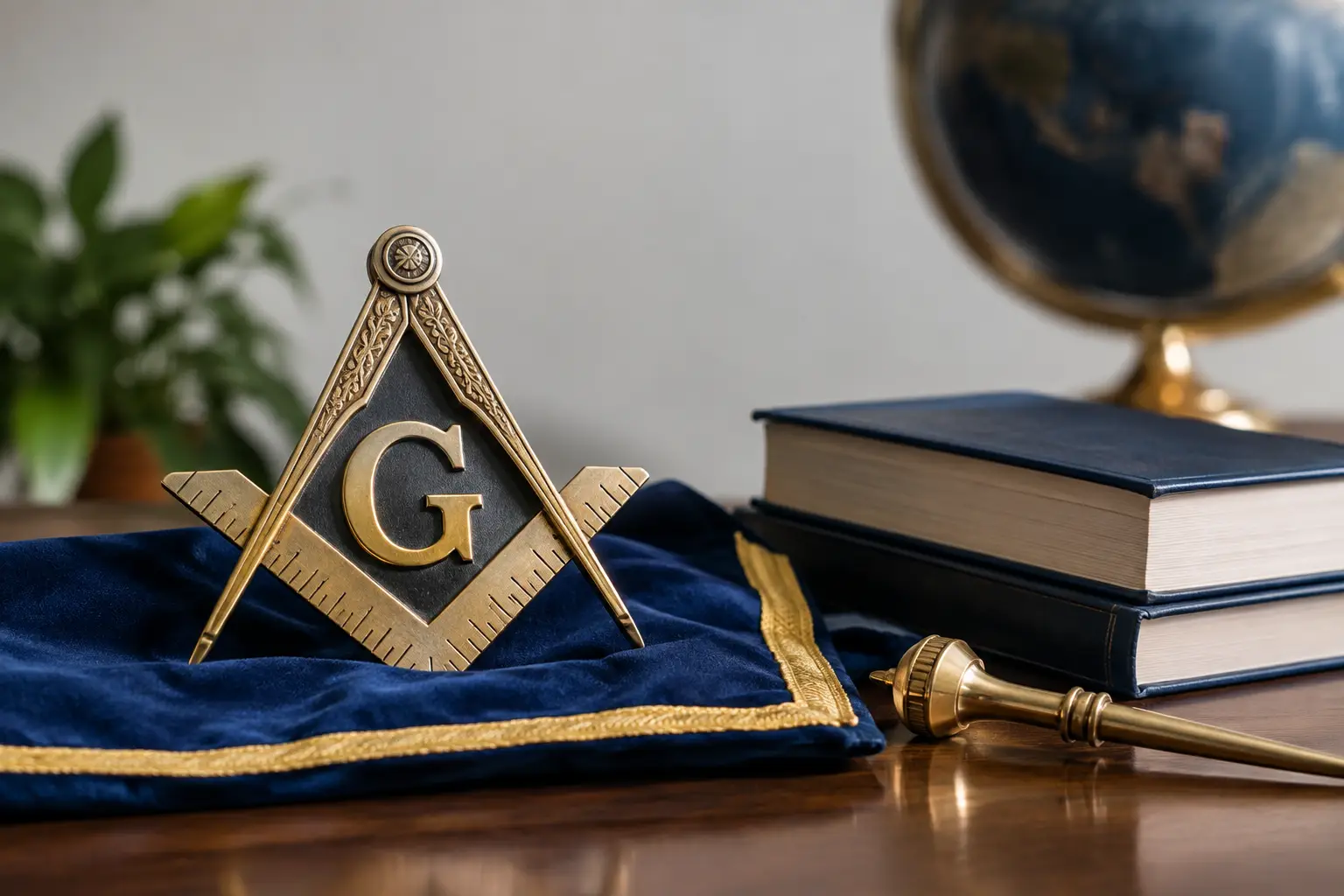
A first initiation is memorable not because a candidate is expected to know every detail beforehand, but because he is invited to take part with attention and good faith. Masonic initiation preparation is therefore less about rehearsing a ceremony and more about arriving ready to listen, reflect, and begin a relationship with a Lodge and its members.
Freemasonry has ceremonies, symbols, and customs that are meaningful because they are experienced in their proper setting. There is no need to search for spoilers or worry that you must perform perfectly. Your Lodge will guide you through the practical arrangements. Your part is simple: be punctual, be open-minded, and approach the evening with the same integrity that led you to consider membership.
What initiation is designed to do
Initiation is the first of Freemasonry’s three ceremonial degrees. It marks the beginning of your journey as a Freemason and introduces themes that will remain relevant long after the evening itself: personal responsibility, respect for others, friendship, charity, and the ongoing work of building good character.
The ceremony is not a test of intellect, social status, or religious knowledge. Nor is it intended to embarrass or unsettle you. It is a formal and reflective introduction to a voluntary organization that has brought men together for friendship, service, and self-improvement for more than 300 years.
Some parts of the experience are intentionally not described in advance. This is not about excluding candidates or concealing anything improper. It allows each new member to encounter the ceremony directly, as generations of Freemasons have done, and to consider its lessons for himself. The values behind the ceremony are clear: Integrity, Friendship, Respect, and Service.
Masonic initiation preparation starts with your Lodge
Your proposer, seconder, Lodge secretary, or another designated member should be your first point of contact. They can confirm the date, arrival time, location, dress expectations, and any local arrangements for the evening. Lodges vary in small practical details, so advice from your own Lodge matters more than general information found elsewhere.
Ask direct questions if something is unclear. You might ask where to park, whether there will be a meal before or after the meeting, how long the evening is likely to last, and whether guests or family members can attend any part of the occasion. These are sensible questions, and no one should expect you to guess.
You may also be asked to complete or review membership paperwork before the meeting. Read it carefully and make sure the information is accurate. Freemasonry is founded on voluntary commitment, so this is a good moment to be certain that joining is your own decision and that you understand the expectations of membership, including regular participation where possible and support for charitable work.
Dress, timing, and practical comfort
A calm evening often begins with simple preparation. Follow the dress guidance your Lodge provides. In many Lodges, this means a dark suit, white shirt, conservative tie, dark socks, and polished shoes. Some Lodges have more specific requirements, while others may offer clear alternatives if formal attire presents a difficulty. If you are unsure, ask rather than assume.
Plan to arrive early. Fifteen to 30 minutes before the requested time usually gives you room to settle in, meet the member looking after you, and avoid the distraction of rushing through the door. Turn off or silence your phone before the meeting begins. The ceremony deserves your full attention, and the Lodge will have its own rules about photography and recording.
Eat and drink sensibly beforehand. Initiations can be longer than an ordinary social gathering, and it is easier to be present when you are comfortable. Avoid arriving tired, distracted, or having consumed alcohol. A Lodge gathering may include hospitality, but the initiation itself calls for clear attention and respect.
If you have a medical condition, mobility need, hearing concern, anxiety, or any other circumstance that could affect your comfort, tell the Lodge in advance. This is not an inconvenience. A welcoming Lodge will want to make reasonable arrangements and ensure you are supported throughout the evening.
Leave room for the experience
Candidates sometimes feel nervous because they do not know precisely what will happen. A little anticipation is natural. You are about to join an organization with a long history, formal traditions, and a room full of people who remember their own first evening.
The most useful mindset is one of trust and attentiveness. Listen to the instructions you are given, answer honestly when asked, and do not be afraid to say if you have not heard or understood something. There is no prize for pretending to be relaxed. The members assigned to assist you are there because every candidate needs guidance.
It also helps to set aside assumptions. Freemasonry is neither a shortcut to business contacts nor a private club built around status. Friendships and professional connections may grow naturally between members, as they do in many communities, but the foundation is shared values and mutual support. The best reason to join is a sincere wish to become part of a community that encourages you to live well and contribute to others.
What not to worry about
You do not need to memorize ritual, learn passwords, purchase a large collection of regalia, or understand every Masonic symbol before your initiation. Those things, where relevant, are introduced gradually. Trying to learn the ceremony in advance can distract from its purpose and may expose you to inaccurate descriptions.
You also do not need to have all the answers about faith, philosophy, history, or your future involvement. Freemasonry asks its members to believe in a Supreme Being, while allowing each man to understand that belief according to his own faith. It is nonpolitical and nonsectarian, and Lodge meetings are not places for partisan political or religious debate.
Be prepared, however, to make a genuine commitment. Membership works best when a man can attend with reasonable regularity, get to know fellow members, and take part in the Lodge’s charitable and community life. Work, family, health, and travel will sometimes limit attendance. A good Lodge understands real responsibilities, but clear communication helps everyone.
Preparing for the fellowship afterward
For many new members, the meal or social time around a Lodge meeting is as important as the ceremony. It is where names become familiar, questions can be asked informally, and friendships begin to take shape. You do not need to be the most outgoing person in the room. Introduce yourself, thank those who supported you, and let conversations develop naturally.
You may meet men of different ages, occupations, backgrounds, and experiences. That variety is one of Freemasonry’s strengths. Mutual respect does not require everyone to think alike. It asks members to meet one another as equals and to practice the courtesy they hope to see beyond the Lodge room.
After the meeting, give yourself time to reflect. Some aspects may make immediate sense; others may gain significance only after further meetings and conversations. Keep a note of questions you would like to ask your mentor or proposer. Curiosity is welcome, and thoughtful discussion is part of learning.
A beginning, not a performance
The most meaningful masonic initiation preparation is personal. Arrive on time, follow your Lodge’s guidance, dress appropriately, and bring a sincere willingness to participate. Then allow the evening to be what it is: a first step into a community that values character, friendship, and service.
Your initiation does not require you to become a different person overnight. It asks you to begin deliberately, among people who have chosen the same path, and to carry its principles into the relationships and responsibilities that already matter most in your life.